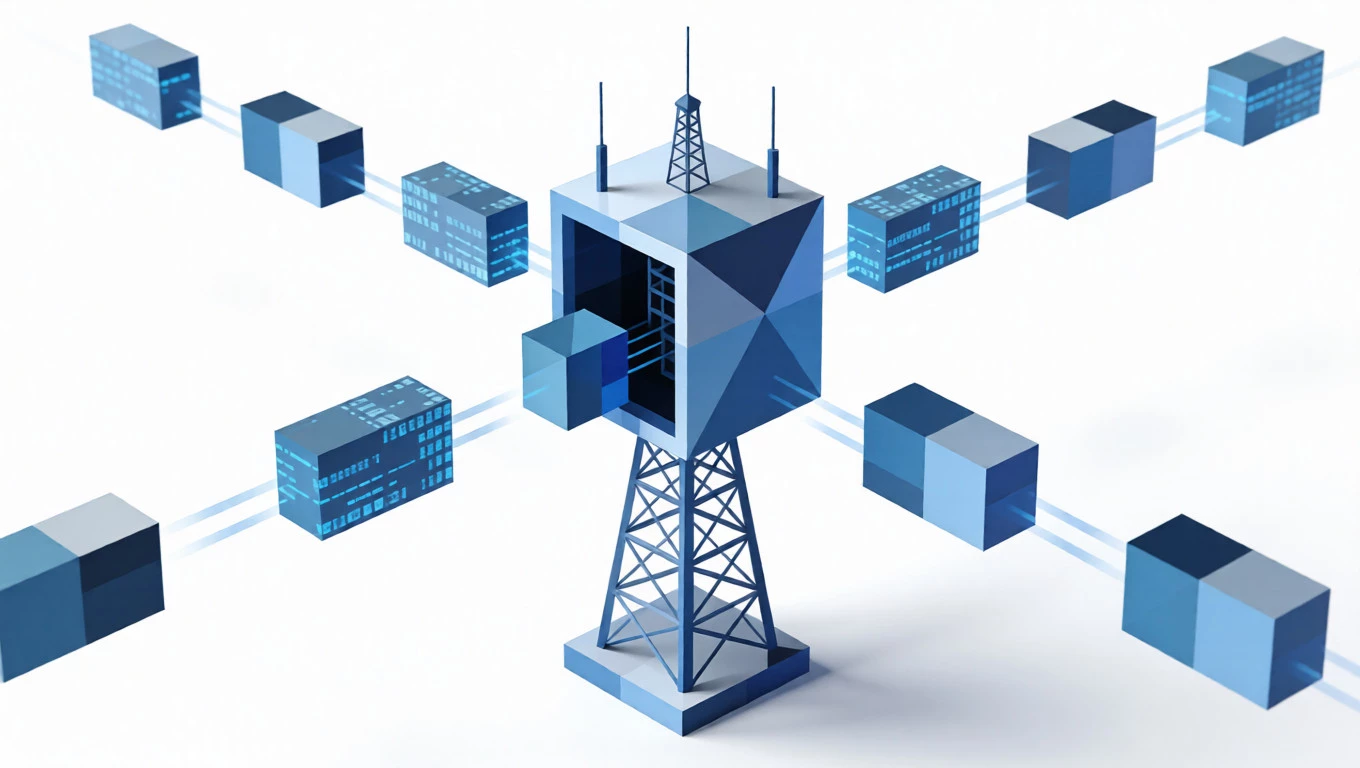


In the world of proxy infrastructure, businesses are often forced to choose between speed (Data Center) and security (Residential).
If you are looking for an immediate solution that combines both—offering the legitimacy of a home connection with enterprise-grade speed—you can deploy IPHalo’s Static Residential Proxies directly.
For those researching why this specific proxy type has become the industry standard for e-commerce and social media, here is a technical breakdown of the “ISP Proxy” advantage.
What Exactly is an ISP Proxy?
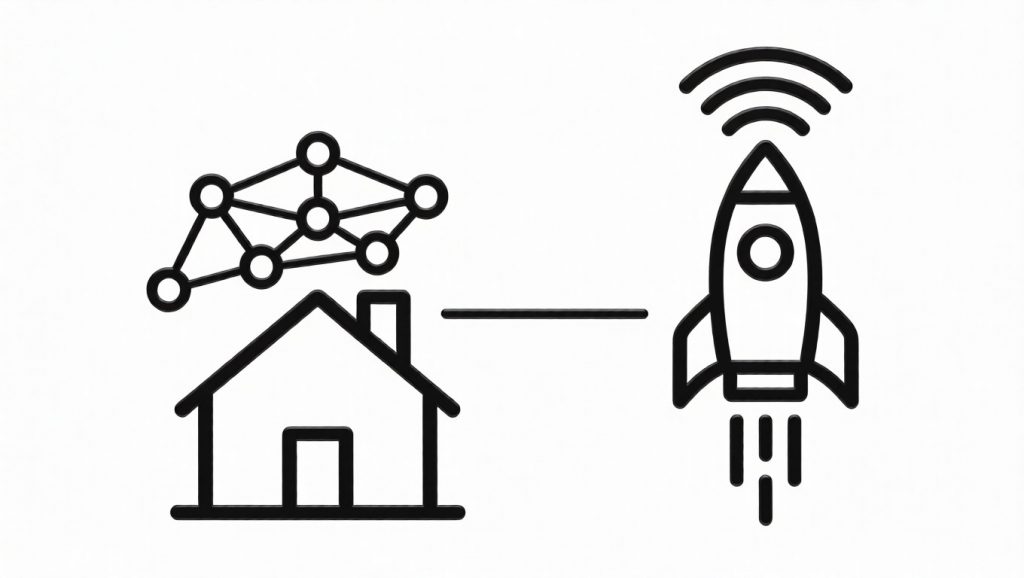
An ISP Proxy is a hybrid solution. It hosts an IP address in a Data Center (for speed) but registers it under a legitimate Internet Service Provider (ASN) like Verizon, AT&T, or Comcast.
- Residential Trust: To target websites (Amazon, TikTok, Ticketmaster), the IP looks like a real home user.
- Data Center Performance: To the user, it offers the lightning-fast ping and stability of a server connection.
Unlike standard Residential Proxies which rely on P2P networks (borrowing IPs from end-users devices), ISP Proxies are static. You “own” the IP address for as long as you subscribe, ensuring your digital fingerprint never changes unexpectedly.
Why “Unlimited Bandwidth” is the Game Changer
Looking at recent search trends, queries for “Static residential proxy unlimited bandwidth” are spiking. Why?
- The Cost Trap of GB-Based Pricing Most dynamic residential proxies charge per Gigabyte. If you are streaming video content, managing multiple TikTok livestreams, or scraping heavy e-commerce images, costs can skyrocket instantly. ISP Proxies typically operate on an IP-rental model. You pay for the IP slot, not the traffic. This “Unlimited Bandwidth” model allows businesses to run data-intensive tasks 24/7 without watching the meter, reducing operational costs by up to 60%.
- Session Persistence for Account Health For social media managers handling Facebook Ads or LinkedIn outreach, a session drop is fatal. Dynamic IPs rotate automatically, often triggering “Suspicious Login” flags. A Static ISP Proxy maintains absolute session persistence. Since the IP never rotates, platforms view your activity as a consistent, legitimate user, drastically lowering the ban rate for high-value accounts.
ISP Proxies vs. Data Center Proxies: The Trust Score
Why pay more for an ISP Proxy when Data Center (DC) proxies are cheaper?
The answer lies in the ASN (Autonomous System Number).
- DC Proxies: Their ASNs are labeled as “Hosting/Business.” Advanced anti-fraud systems (like Cloudflare or Akamai) often block these ranges by default.
- ISP Proxies: Their ASNs are labeled as “ISP/Landline.” They bypass the initial “bot filter” because blocking a residential ISP would block legitimate customers.
Conclusion
If your business relies on account stability and high data throughput, relying on rotating residential IPs or cheap data center proxies is a liability. Static Residential (ISP) Proxies offer the perfect equilibrium: the unblockable nature of a home connection combined with the unlimited bandwidth and speed of a server.