

Are you facing this dilemma: Your carefully crafted scraper runs smoothly at first, only to hit a wall—frequent captchas, 403 errors, or empty data returns? While the project team scrambles to optimize the code, a “hidden” root cause is often overlooked: the quality of the proxy IP you’re using may have already crippled the entire project.
In today’s data-driven business environment, whether for market analysis, competitor monitoring, or price aggregation, the stability and reliability of your IPs for data collection are the cornerstones of project success.

Recognizing the “Project-Ending” Signs: The Telltale Sins of Low-Quality IPs
When your data collection project starts to falter, it usually exhibits several “symptoms” that are directly linked to your IP strategy.
Symptom 1: IP Bans and Frequent Captchas
This is the most common sign of failure. When a system detects a large volume of requests from the same IP address, or if that IP is already flagged as “suspicious” (e.g., originating from a known data center), it triggers anti-bot measures. The result is an IP ban—you might see a message like “your ip has been temporarily blocked“—or a redirect to a captcha page, bringing your collection process to a halt.
Symptom 2: Data Inconsistency and Inaccuracy
Have you noticed that the prices, stock levels, or content you scrape don’t match what you see “normally” in your browser? This is often because the target website displays different content based on geo-location or user type. If your proxy IP pool is mixed, lacks precise geo-targeting, or jumps between regions on different requests, the data you collect will naturally be “inaccurate.”
Symptom 3: Connection Timeouts and Efficiency Collapse
Low-quality IP pools are often plagued by high latency and unstable connections. Your scraper may spend more time waiting for responses or handling connection failures than it does gathering data. This not only leads to low efficiency but can cause the entire project to “collapse” when faced with large-scale data needs.
The “Silent Killer”: Why Your IP Strategy is Failing
After recognizing the symptoms, we need to dig deeper into the root cause. Why is your proxy IP strategy failing? The answer lies in the “quality” and “type” of the IP.
The “Cleanliness” Trap
A core metric of “IP quality” is its “cleanliness.” A clean IP is one that has not been “blacklisted” by major websites and has a good reputation.
Unfortunately, many cheap, shared proxy services have IP pools shared by countless users for various high-risk tasks. This causes the pool to be rapidly contaminated and flagged. When you use these “unclean” IPs, you’re essentially telling the target server, “I am a bot.”
Confusing IP Types: Data Center vs. Residential
Many beginners opt for data center IPs because they are cheap and readily available. However, modern anti-scraping mechanisms can easily identify these IPs.
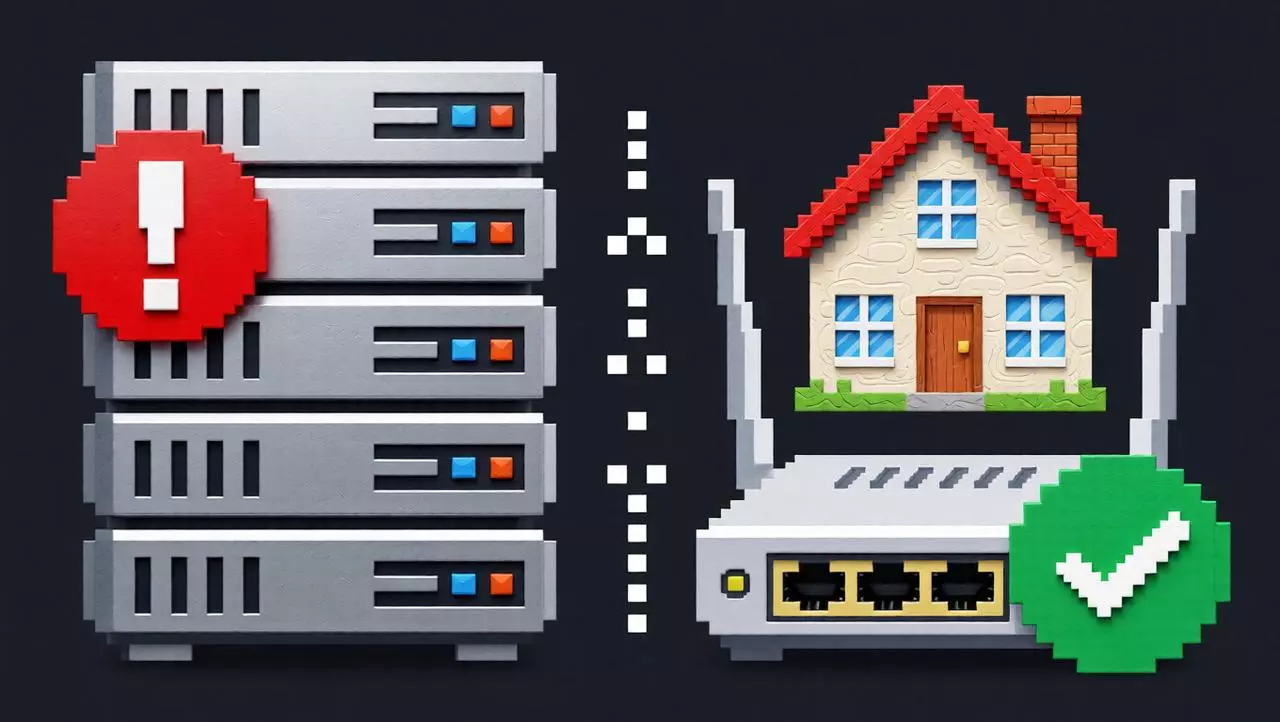
What truly evades detection is a residential proxy. These IPs come from real home broadband (ISPs). From the target server’s perspective, a real residential ip is indistinguishable from a normal visitor, providing high anonymity and trust.
In-Article FAQ:
Q: I’m using a dynamic IP, so why am I still getting banned?
A: This is a critical misconception. Even if you use a dynamic ip (i.e., rotating IPs), if that “dynamic pool” itself consists of easily identifiable data center IPs or has low “cleanliness,” then rotating faster won’t help. Quality trumps quantity. Using a high-quality residential proxy pool for rotation is the key.
Breaking Through: How High-Quality Dynamic IPs Revive Data Collection
The key to resolving IP bans is to adopt the correct IP strategy: shifting to high-quality, residential-based proxy solutions.
High Anonymity and “Real” Visitor Status
High-quality Residential Proxies are the “aces” for data collection projects. They originate from real ISP assignments, allowing your scraping requests to perfectly mimic the behavior of real users. This drastically reduces the likelihood of triggering anti-bot measures and ensures a high success rate for data scraping.
Balancing Smart Rotation and Session Persistence
A professional proxy IP service provides more than just IPs; it provides a strategy. It allows you to flexibly switch between “rotating the IP on every request” (high-speed rotation) and “maintaining the same IP for a period” (sticky sessions).
Therefore, a mature proxy ip solution is about strategy. Choosing a professional provider like IPhalo, which offers a massive, high-purity clean ip pool (especially its residential proxy pool), secures your project’s data scraping success and stability from the start.
Frequently Asked Questions (FAQ)
Q: How do I use a proxy IP with my scraper?
A: Technically, this is usually done by configuring the proxies parameter in your scraper script (e.g., in Python’s Requests library). You input the proxy authentication details provided by your service (e.g., ip:port:username:password), and all network requests will then be routed through that proxy IP instead of your local one.
Q: Do I need a static ip or a dynamic ip?
A: It depends entirely on your use case. Large-scale data collection (like scraping) is usually better suited for a dynamic ip (and if you ask, what is a residential proxy? It’s the best kind for this) to avoid rate limiting on a single IP. For scenarios needing a stable identity (like managing specific accounts), a static ip is required.
Conclusion: Choosing the Right IP is the First Investment in Your Project’s Success
Don’t let a poor IP strategy become the bottleneck of your data project. When your scraper stalls due to IP bans, rather than endlessly debugging code, it’s time to re-evaluate your IP infrastructure.
Investing in a high-quality, high-“cleanliness” residential proxy service isn’t a “cost”—it’s a direct “investment” in your project’s success rate and data validity.
Compliance Note: Please ensure your data collection activities comply with the TOS (Terms of Service) of the target website and all relevant laws and regulations.