


Three years after the official shutdown of RARBG in 2023, the void it left in the file-sharing community remains unfilled. Even in 2026, millions of users are still scouring the web for “RARBG proxies” or “working mirrors” to access legacy magnet databases.
While a quick Google search reveals dozens of “2026 Proxy Lists,” using them is like walking through a minefield.
This guide goes beyond the basics. We will explain why public mirrors are growing security risks in 2026, the technical difference between browsing and downloading anonymously, and how to use professional-grade SOCKS5 and Residential Proxies to secure your P2P workflow.
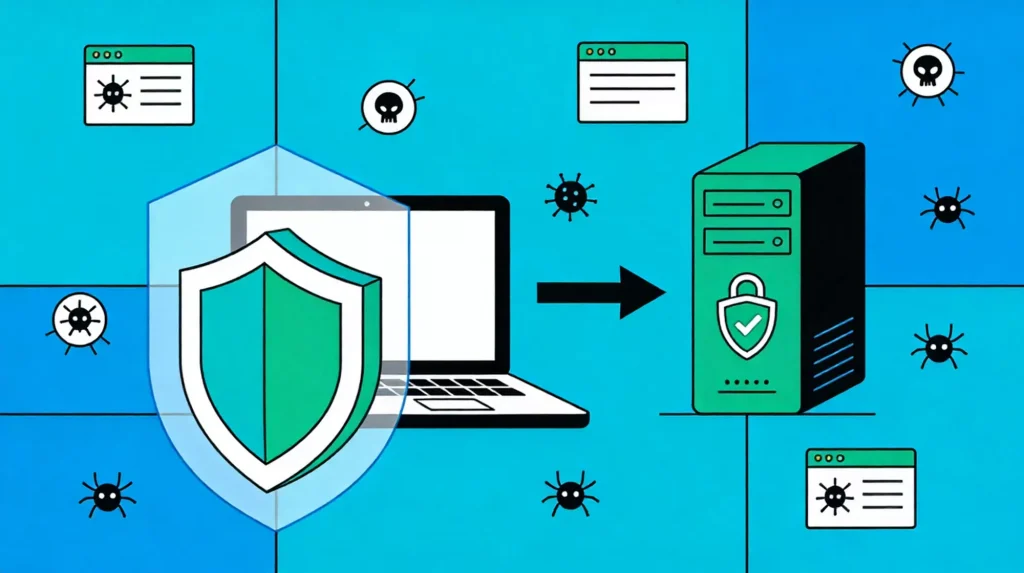
The Reality of RARBG Mirrors in 2026
Since the official RARBG servers were wiped, every site claiming to be “RARBG” today is either:
- A Static Clone: A frozen backup of the old database (no new content since 2023).
- A Honeypot: A fake site designed to serve malware, ransomware, or log user IPs for copyright trolls.
The Risk of “Free Proxy Lists” Most users rely on public proxy sites to bypass ISP blocks. However, these free intermediaries often monetize your traffic by injecting cryptominers, intrusive pop-ups, or malicious scripts. More critically, they offer zero encryption, meaning your ISP knows exactly which magnet links you are clicking.
Browsing vs. Downloading: You Need Two Types of Protection
To access torrent content safely, you must protect two distinct activities. A simple browser plugin is not enough.
1.Accessing the Index (Browsing)
The Problem: Many ISPs block torrent index sites at the DNS level. Furthermore, if you use a standard Data Center VPN to visit these sites, you are often blocked by Cloudflare or bombarded with infinite “I am not a robot” CAPTCHAs. The IPHalo Solution: Static Residential Proxies. By routing your browser traffic through a high-trust ISP Static IP, you appear as a legitimate home user. This allows you to:
- Bypass ISP censorship instantly.
- Skip annoying Cloudflare verification loops.
- Access private trackers (which often ban commercial VPN IPs).
2.The P2P Connection (Downloading)
The Problem: Once you click the magnet link and open your torrent client (like qBittorrent or uTorrent), your browser proxy stops working. Your real IP is exposed to the entire “swarm” of peers. The IPHalo Solution: SOCKS5 Proxy Configuration. Unlike HTTP proxies which only handle web pages, SOCKS5 is designed for heavy traffic protocols like BitTorrent.
- Identity Masking: Configure IPHalo’s SOCKS5 credentials directly inside your torrent client. This hides your IP from other peers in the swarm.
- Better Speeds: SOCKS5 is faster than a full system-wide VPN encryption tunnel because it masks the IP without the heavy overhead of double-encryption, optimizing download speeds.
Guide: How to Configure a Proxy in qBittorrent
Don’t just hide your browser; hide your client. Here is how to set up IPHalo in the most popular client:
- Get Credentials: Go to your IPHalo Dashboard and generate a SOCKS5 endpoint.
- Open Client: In qBittorrent, go to Tools > Options > Connection.
- Proxy Server Section:
- Type: SOCKS5
- Host: [Your IPHalo IP/Domain]
- Port: [Your Port]
- Authentication: Check the box and enter your Username/Password.
- Critical Step: Check the box “Use proxy for peer connections”. This ensures no traffic leaks outside the proxy tunnel.
Conclusion
The era of RARBG is long gone, but the need for privacy is higher than ever. Relying on sketchy “Free Proxy Lists” found on Reddit is a gamble with your digital safety.
Whether you are browsing index sites or connecting to the swarm, upgrade your infrastructure. Use IPHalo’s Static Residential Proxies for unblocking websites and SOCKS5 for securing your client. Treat your connection like a professional—keep it static, keep it private.