

For researchers and analysts relying on Google’s NotebookLM, nothing is more disruptive than the generic red banner: “Network error. Please check your connection.”
This error typically strikes at the most critical moments: right after the progress bar for a large PDF upload reaches 99%, or halfway through generating a deep-dive Audio Overview. Reloading the page usually results in lost context, forcing you to restart the entire ingestion process.
This is rarely a glitch on Google’s end. Instead, it is a symptom of your local network environment failing to maintain the session persistence required by NotebookLM’s real-time RAG (Retrieval-Augmented Generation) architecture.

The Root Cause: WebSocket Instability
Unlike a standard Google Search which uses simple, short-lived HTTP requests, NotebookLM relies on WebSockets and Long-polling connections.
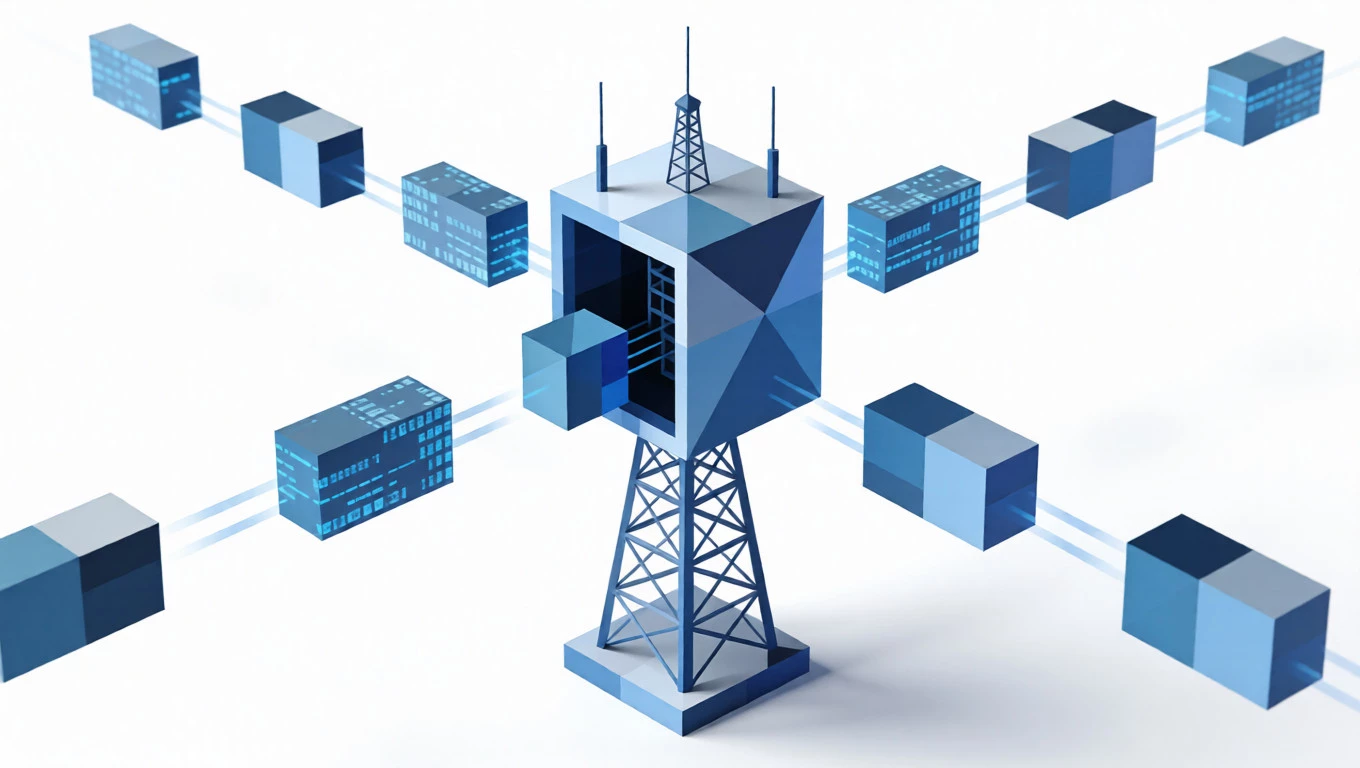
When you upload a 50MB thesis or request an audio summary, the browser opens a continuous data pipe to Google’s servers. This pipe must remain unbroken for several minutes.
Two primary factors trigger the “Network error”:
- IP Rotation Kills the Session This is the most common culprit for users relying on privacy tools or corporate VPNs. These networks often use Dynamic IPs, which rotate your exit IP address every few minutes for anonymity. However, for NotebookLM, an IP change in the middle of a task is fatal. Google’s security gateway detects that the request IP has changed, flags it as a potential “Session Hijacking” attempt, and immediately terminates the connection. The frontend then displays “Network error.”
- Packet Loss on UpstreamBandwidth RAG models require significant upstream data throughput. Standard shared proxies often suffer from “jitter” or packet loss during high-load uploads. If too many data packets are dropped during the handshake process, the Google server times out the request.
The Solution: Static Residential Connectivity
To fix these interruptions permanently, you need a network connection that offers absolute stability, not just raw speed. You must prevent your digital identity from shifting mid-process.
The industry-standard solution for heavy AI workflows is deploying a Static Residential IP.
- Guaranteed Session Persistence: Resources from specialized providers like IPHalo allow you to hold a single, unchanging IP address for as long as you need—whether it’s 24 hours or 30 days. This ensures that your session token remains valid throughout the entire duration of a document upload or audio generation task.
- ISP-Level Trust: Unlike data center IPs which are often throttled by Google’s WAF (Web Application Firewall), static residential IPs are registered to legitimate ISPs (like Verizon or Comcast). This grants your traffic a higher “reputation score,” bypassing aggressive filtering and ensuring smooth data ingestion.
Optimization Guide: Isolating Your AI Workflow
To ensure your research is never interrupted, follow these configuration best practices:
- Secure a Dedicated Endpoint: Obtain a Static Residential IP (preferably US-based for optimal Google routing). This is the foundation of a stable connection.
- Configure Browser Routing:
- Do not rely on system-wide VPNs that might leak traffic or rotate IPs unexpectedly.
- Use a browser extension (like SwitchyOmega) to create a dedicated rule for
notebooklm.google.comandgoogleapis.com. Force these domains to route exclusively through your static IP.
- Test Stability: Once configured, try uploading a large dataset (e.g., a 20MB+ PDF). You will notice that the upload completes without hanging, and Audio Overviews generate without the dreaded red error box.
Final Verdict
Research requires focus, and unstable tools break that focus. The “Network error” in NotebookLM is essentially a rejection of a low-quality connection. By upgrading to a Static Residential IP, you eliminate the volatility of dynamic networks, creating a robust, professional-grade pipeline for your data and insights.