

In today’s hyper-connected digital landscape, every device communicating over the internet is assigned a unique IP address. However, these addresses do far more than just establish connections—they hold a wealth of data about geographic locations, network providers, and connection types.
To organize, manage, and extract actionable insights from this massive sea of data, systems like the IP2 Network have become indispensable.
Serving as a backbone for IP geolocation and intelligence, the IP2 Network empowers industries ranging from e-commerce to cybersecurity. This comprehensive guide explores what the IP2 Network is, how it operates behind the scenes, its core applications, and why it matters in the evolving digital world.
What Is the IP2 Network?
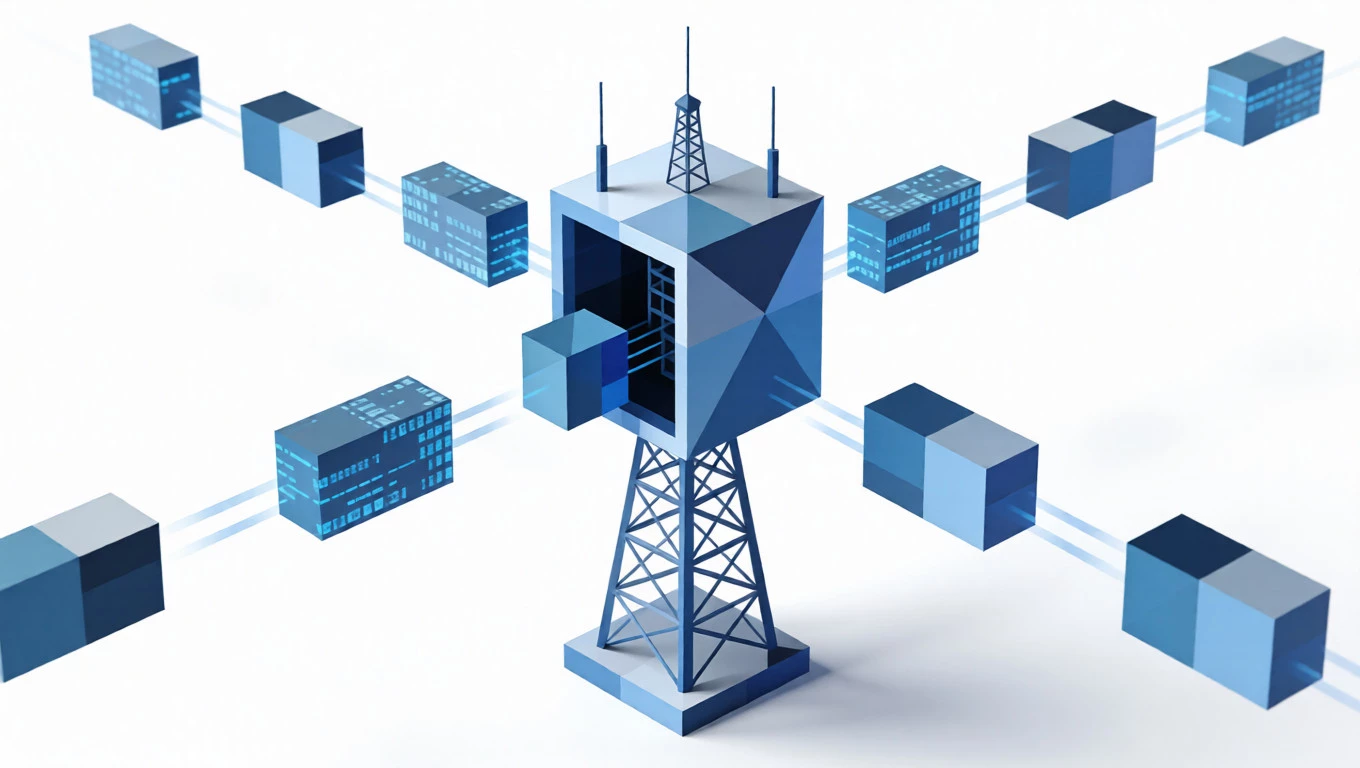
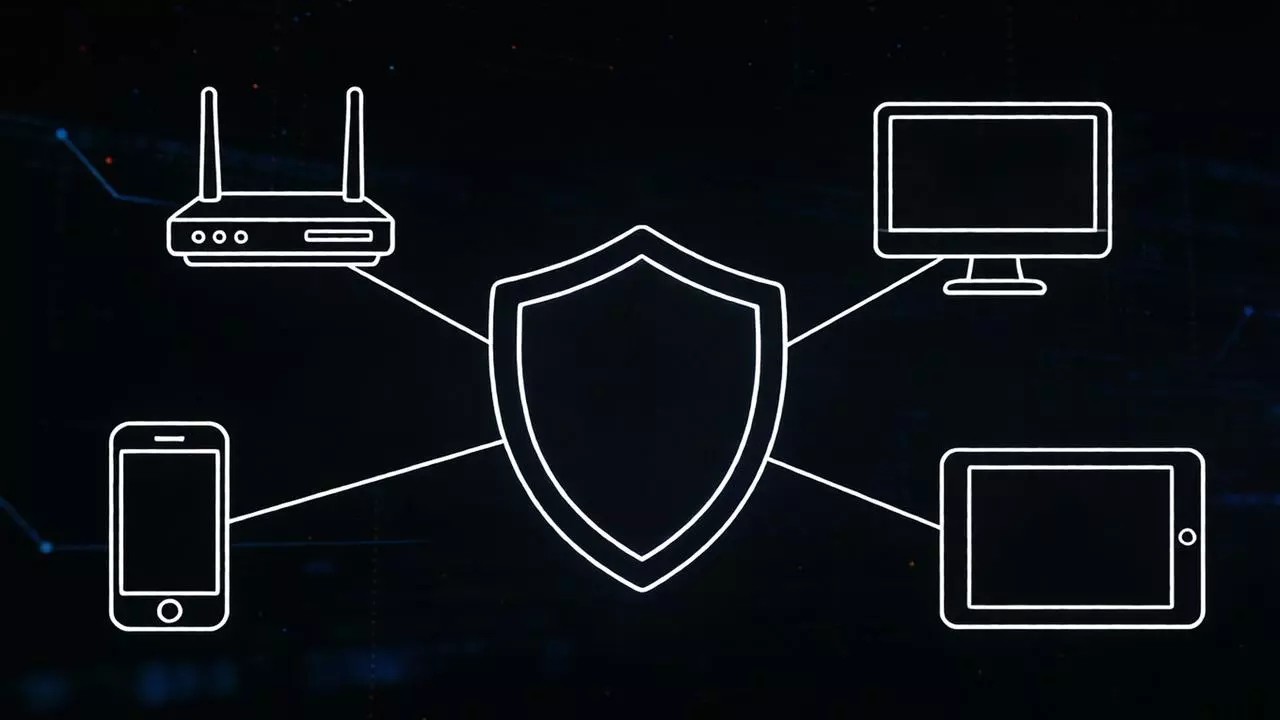
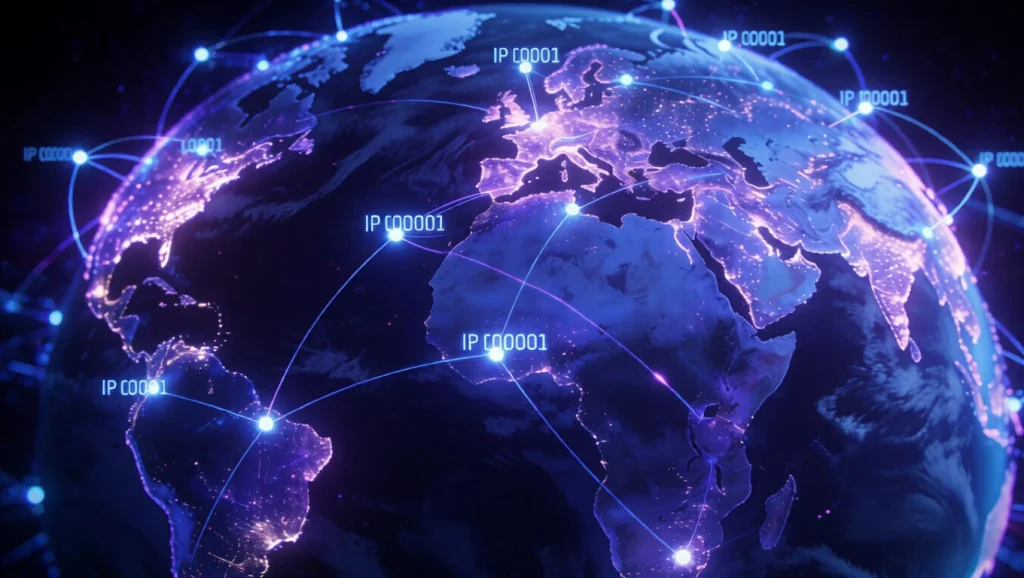
At its core, the IP2 Network is an advanced intelligence system designed to maintain a continuously updated mapping between raw IP addresses and rich metadata.
When an IP address is queried through this network, it can reveal:
- Geographical Location: Country, region, city, and even specific latitude/longitude coordinates.
- Internet Service Provider (ISP): The company providing the network connection.
- Connection Type: Whether the user is on a mobile network, corporate broadband, or satellite connection.
- Autonomous System Number (ASN): Identifies the specific network ownership and routing policies.
- Time Zone & Language: Essential for localizing user experiences.
While it shares similarities with other IP intelligence databases like MaxMind or IPinfo, the IP2 Network distinguishes itself through its rigorous update cycles and flexible delivery methods—offering everything from downloadable datasets to ultra-fast APIs for real-time querying.
How the IP2 Network Works
Maintaining an accurate map of billions of IP addresses is a monumental task. The IP2 Network relies on a combination of technical scraping, cooperative data sharing, and machine learning:
- Direct ISP Partnerships: The network receives direct data feeds from global ISPs regarding IP block allocations and reassignments.
- Automated Network Scanning: Active bots constantly scan routing paths and network registries to detect when IP addresses change hands or move to new servers.
- Historical Change Tracking: Because IP addresses are frequently reassigned (especially in IPv4), the network logs historical data to track an IP’s lifecycle and verify its current validity.
- Crowdsourced Corrections: Applications utilizing the network can feed back error reports, helping the algorithm self-correct location inaccuracies over time.
Key Applications of the IP2 Network
- Cybersecurity and Fraud Prevention
Security systems heavily rely on IP intelligence. For instance, if a banking system detects a login attempt from a country the user has never visited, it can trigger two-factor authentication. Similarly, e-commerce platforms use this data to block high-risk IP ranges notorious for credit card fraud.
- Content Localization and Access Control
Streaming giants and gaming platforms use IP geolocation to enforce digital rights management (DRM). It allows them to restrict licensed content to specific regions, automatically display the correct currency, and translate the interface into the visitor’s local language.
- Marketing Analytics
Digital marketers leverage IP data to see where their traffic originates. This allows them to measure the success of regional campaigns, deliver hyper-targeted promotions, and uncover new geographic markets.
- Regulatory Compliance
Industries such as iGaming, cryptocurrency, and financial services are bound by strict geographic laws. The IP2 Network helps these platforms automatically block traffic from restricted jurisdictions, ensuring total compliance.
Benefits and Limitations
The Benefits:
- High Accuracy: Frequent database refreshes minimize false positives.
- Global Coverage: Comprehensive mapping of both IPv4 and the rapidly expanding IPv6 space.
- Scalability: Easy API integration makes it suitable for both startups and enterprise-level operations.
The Limitations:
- VPN and Proxy Circumvention: Users can spoof their locations using VPNs or proxy servers, which obscures their true origin from the IP2 Network.
- Update Lag: Although updates are frequent, an IP reassignment might still take 24 to 48 hours to reflect accurately in the global database.
- Privacy Regulations: Strict adherence to laws like GDPR is required when handling user location data.
Real-World Synergy: IP Intelligence Meets Proxies
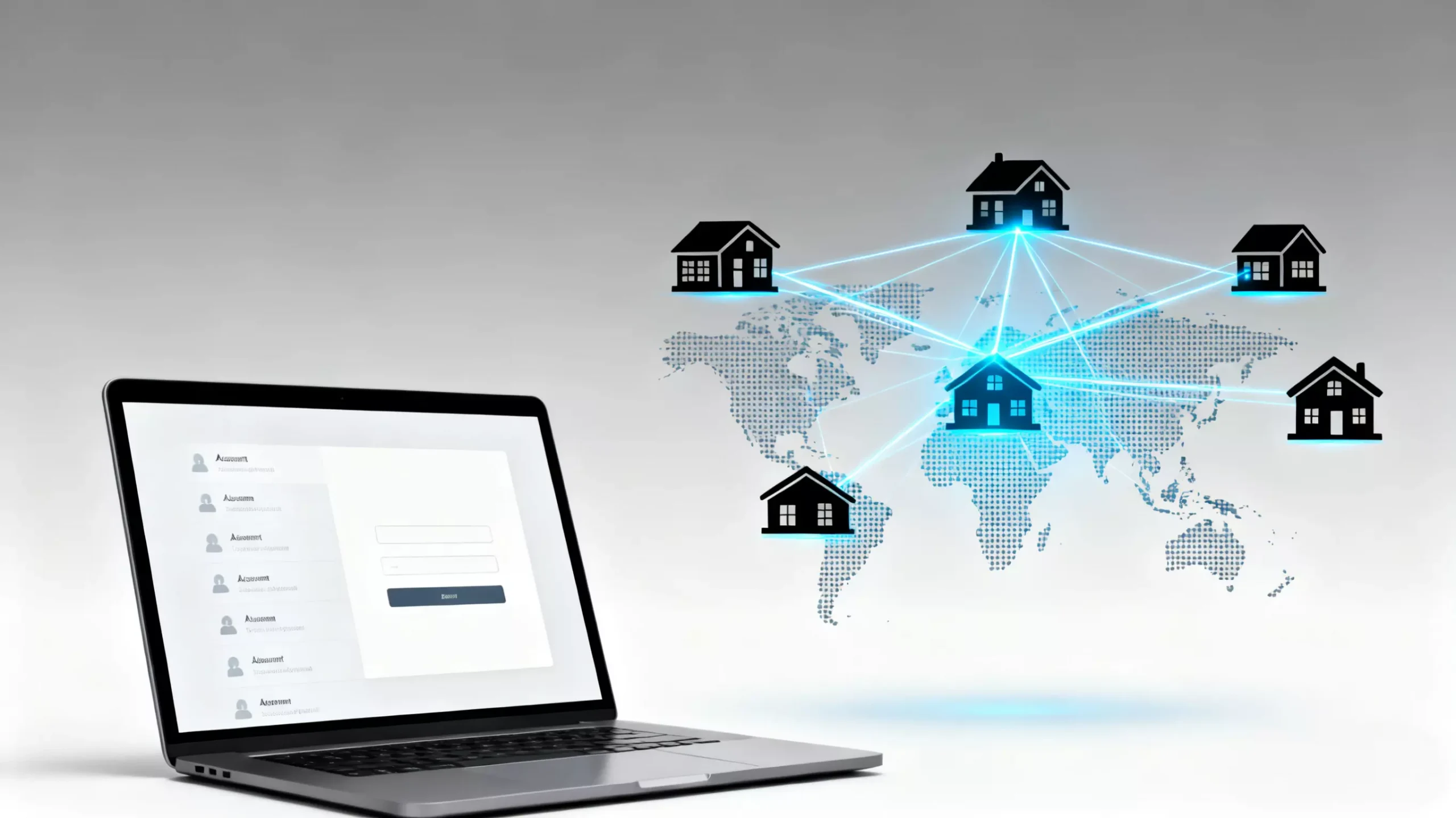
Consider a global e-commerce retailer. They use the IP2 Network to automatically display prices in Euros for German visitors and offer state-specific shipping discounts for US customers.
However, to verify that these localized systems are working correctly, the retailer’s QA and marketing teams cannot simply browse from their home office. They must view the site exactly as a foreign customer would. This is where pairing IP intelligence with a premium residential proxy service—like IPHalo—becomes crucial. By routing their traffic through IPHalo’s localized residential IPs, businesses can bypass their own geo-blocks, verify content localization, and conduct competitor research safely and accurately.
The Future of the IP2 Network
As we move deeper into the decade, the demand for precise IP intelligence will skyrocket. The rollout of 5G networks means more mobile devices will be constantly shifting IP allocations. Furthermore, the explosion of IoT (Internet of Things) devices and Edge Computing will require hyper-local IP mapping to minimize latency and optimize data processing.
Conclusion
The IP2 Network is far more than a simple lookup tool—it is a strategic asset for cybersecurity, digital marketing, and user engagement. By transforming raw digits into actionable geographic and network intelligence, it empowers businesses to operate smoothly on a global scale.
Whether you are using IP intelligence to protect your platform from fraud, or utilizing tools like IPHalo to navigate the global web without borders, understanding and managing IP addresses is the definitive key to success in the modern digital economy.