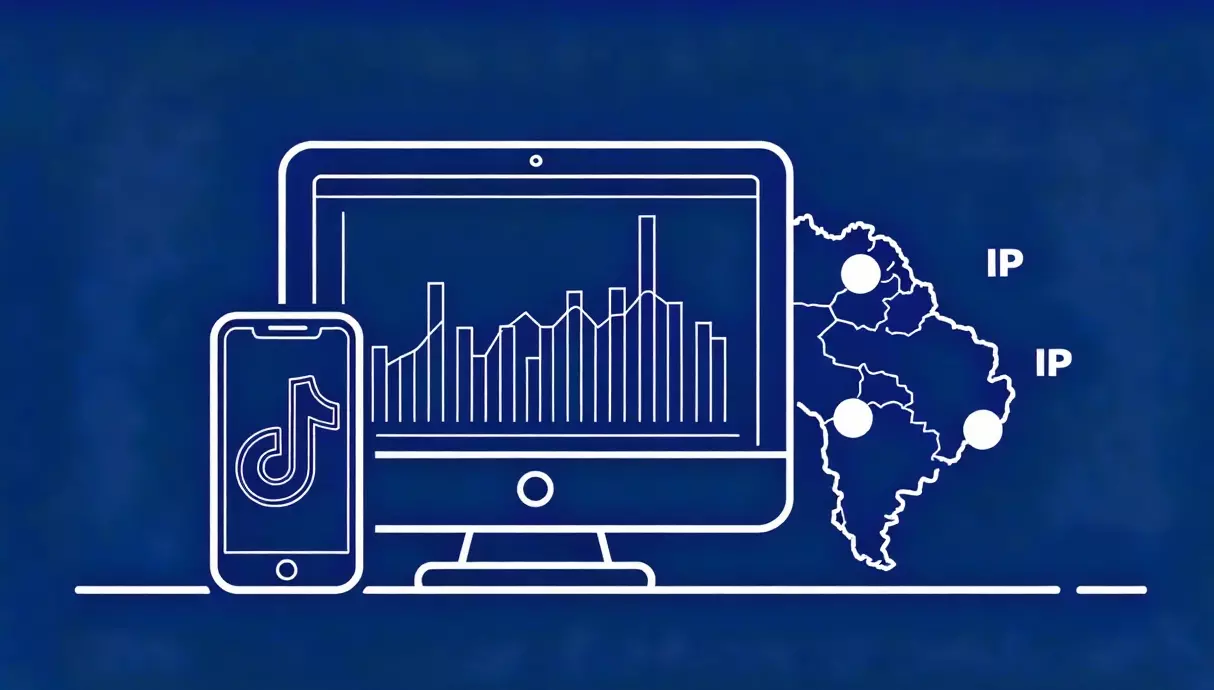


In discussions about cybersecurity, ad tech, and network administration, the term “IP2 Network” frequently appears. Yet, for many, it remains an ambiguous concept. Is it a specific software? A protocol?
In reality, the “IP2” concept generally refers to the infrastructure of IP-to-Location (IP2Location) and IP Intelligence databases. It is the hidden layer of the internet that translates a string of numbers (an IP address) into actionable real-world data—such as physical location, connection type (ISP vs. Data Center), and risk score.
Understanding how this ecosystem works is crucial for businesses aiming to optimize content delivery, prevent fraud, and maintain secure access.

What is the IP2 Network Ecosystem?
At its core, the IP2 ecosystem is a massive, constantly updating map of the internet. It correlates IP addresses with specific attributes. When a user visits a website, the site queries an IP2 database to determine:
- Geolocation: Country, region, city, and even coordinates.
- Connection Type: Is the user on a mobile network, home Wi-Fi (Residential), or a corporate server (Data Center)?
- ISP Information: Which carrier owns the IP (e.g., AT&T, Verizon)?
- Threat Intelligence: Is this IP associated with botnets, spam, or proxies?
This data drives critical decisions: “Should we show this user the US or UK version of the site?” or “Is this login attempt from a new country suspicious?”
The Critical Role of Proxies in IP Intelligence
For businesses involved in market research, ad verification, or global account management, interacting with the IP2 network is a daily necessity. This is where Proxy Services become the bridge.
To test how an application behaves in different regions (e.g., verifying if an ad campaign is running correctly in Tokyo), you cannot physically travel there. Instead, you use a proxy. However, the quality of that proxy determines how the IP2 network perceives you.
Enter IPHalo. IPHalo understands the strict criteria of modern IP intelligence databases. Unlike cheap providers that offer easily flagged IPs, IPHalo provides ISP Static Residential Proxies.
- Authenticity: These IPs are registered to legitimate Internet Service Providers (ISPs), not cloud hosting companies.
- Trust: When an IP2 database scans an IPHalo IP, it sees a real user connection, ensuring your access isn’t blocked or flagged as “bot traffic.”
Why IP Reputation is Everything
In the IP2 ecosystem, not all IP addresses are created equal. Databases classify IPs into tiers:
- High Trust: Residential and Mobile IPs (Home/Phone connections).
- Low Trust: Data Center IPs (Cloud servers).
If you use a low-quality proxy for sensitive tasks (like managing a TikTok Shop or scraping LinkedIn), the IP2 network will flag the “Data Center” attribute, leading to instant CAPTCHAs or bans.
How IPHalo Solves This: By offering Clean, ISP-Native IPs, IPHalo ensures your digital footprint aligns with high-trust classifications. This is essential for:
- E-commerce: Managing multiple storefronts without linking accounts.
- SEO: Checking localized search results accurately.
- Brand Protection: Scanning for counterfeit goods across global marketplaces without detection.
Real-World Applications of IP2 Networks
- Content Localization & Geo-Blocking Streaming services (like Netflix or Hulu) use IP2 data to enforce copyright laws. If your IP says “France,” you can’t watch US-exclusive shows.
- Solution: Using an IPHalo US Residential Proxy allows legitimate users to access region-locked content by presenting a valid US geo-signature.
- Fraud Prevention Payment gateways check if the IP location matches the billing address. A mismatch triggers a fraud alert.
- Solution: Travelers or businesses making overseas purchases use proxies to match their IP location to their transaction origin, reducing false positives.
- Ad Verification Advertisers lose billions to ad fraud. They use IP2 data to ensure ads are displayed in the correct cities.
- Solution: Ad verification bots use residential proxies to “see” ads exactly as a local user would, verifying placement and compliance.
Misconceptions About IP2 Data
- “IP Geolocation is 100% accurate.”
- Reality: No. Mobile IPs shift constantly. However, ISP Static Residential IPs (like those from IPHalo) offer the highest stability and location accuracy.
- “Using a proxy is always detectable.”
- Reality: Only poor-quality proxies are easily detected. High-anonymity residential proxies do not reveal their nature to standard IP2 checks.
Selecting the Right Infrastructure for 2026
If your business relies on accurate geolocation or needs to bypass IP-based restrictions, your infrastructure choice matters. You need a provider that understands the nuances of the IP2 network.
Look for:
- ISP/ASN Validity: IPs that trace back to reputable carriers.
- Static Sessions: For maintaining consistent identities (crucial for account management).
- Global Coverage: To test IP2 logic in any market.
IPHalo stands out by prioritizing quality over quantity. With a focus on ethical, high-purity ISP resources, IPHalo ensures your business navigates the IP2 network with the authority of a local user, no matter where you are operating from.
Conclusion
The IP2 network is the invisible gatekeeper of the internet. It decides what you see, where you can go, and whether you are trusted.
Don’t let your business get stopped at the gate. By understanding how these systems work and leveraging IPHalo’s ISP Static Residential Proxies, you can ensure your digital operations remain seamless, secure, and unrestricted in a borderless digital world.

-1.webp)