

1.The New IP Battlefield in the AI Era
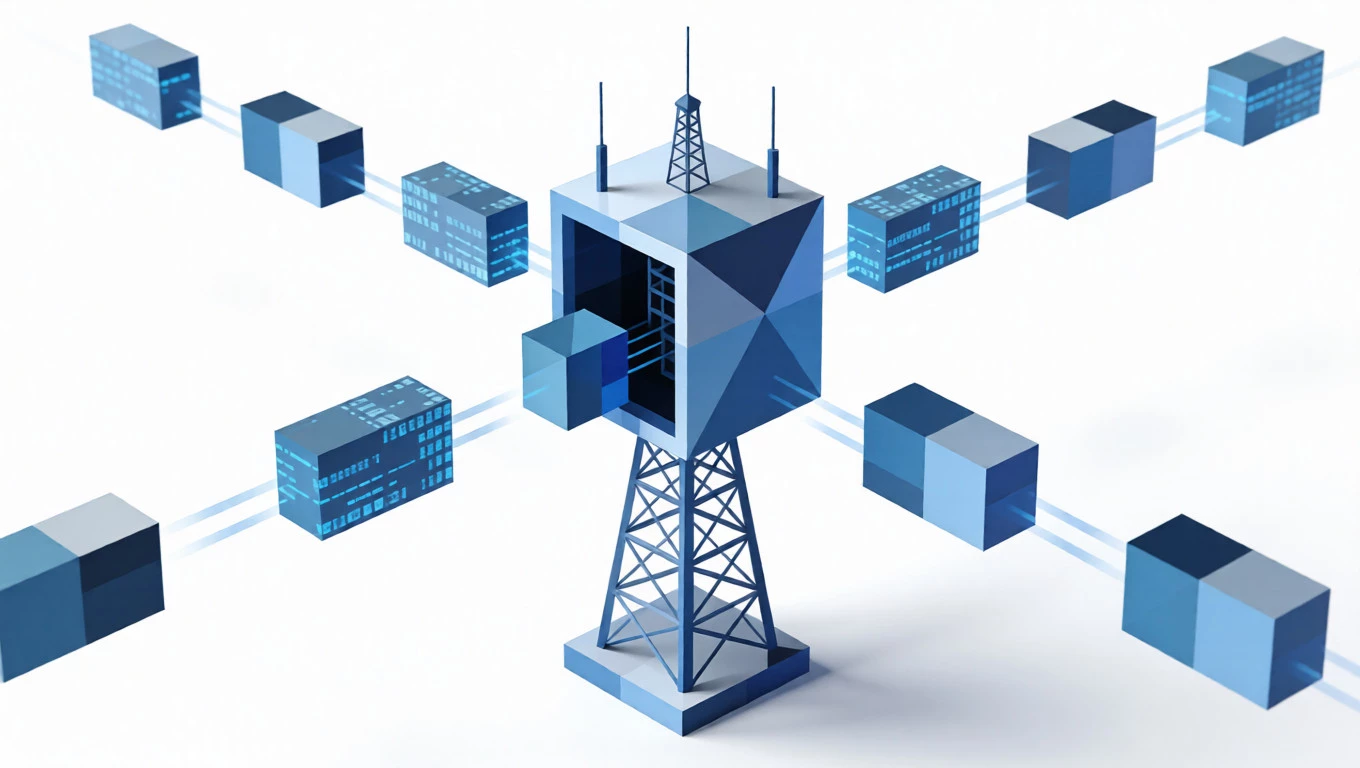
As artificial intelligence becomes deeply integrated into data collection, model training, and global deployment, the proxy IP has transformed from a basic connectivity tool into a core infrastructure component. Whether it’s for dataset crawling, content moderation, or regional testing, an IP’s stability, cleanliness, and geographic accuracy now directly influence model performance and reliability.
Unlike traditional web crawlers, AI systems deal with higher access frequencies, complex distribution architectures, and advanced anti-bot firewalls. Low-quality or shared IP pools often trigger bans, request errors like proxy error 402, or even messages such as “your IP has been temporarily blocked.” In short, without clean, high-trust IPs, AI pipelines become fragile and inconsistent.

2.Static vs Dynamic IP: Stability Meets Flexibility
(1) Static IP: Reliability Comes at a Price
A static IP remains tied to the same network node for long periods, providing consistency for login verification and API authorization. However, “static” does not always mean “stable.” If these IPs originate from data centers, their high density and repetitive patterns make them easier targets for anti-abuse systems. Only when sourced from ISP-grade or commercial broadband networks can static IPs achieve both stability and credibility.
It’s important to clarify that “static residential IPs” do exist — but they are extremely rare and costly. They’re typically achieved through ISP-level agreements or specialized hardware configurations. Many providers that advertise “static residential IP” are actually offering long-term rented dynamic residential IPs or ISP proxies disguised as residential sources. Businesses should verify carefully before purchasing.
(2) Dynamic IP: Distributed and Safer for AI Workloads
A dynamic IP changes periodically, helping distribute AI requests across multiple nodes. This significantly reduces single-IP detection risks and enhances scalability for data acquisition. The trade-off is identity consistency — dynamic IPs are not ideal for use cases that demand persistent authentication or continuous sessions.
3.Residential Proxies and ISP Proxies: Understanding What You’re Really Buying
(1) Residential Proxies: Real-World Authenticity
Residential proxies route traffic through real household networks, which makes their behavior appear natural to most websites. This allows them to bypass common detection systems and improve access success rates. However, they are not undetectable. Under behavioral fingerprinting and AI-powered anti-fraud systems, even residential IPs can still be flagged. Hence, residential proxies are best suited for low-to-medium intensity data scraping and content validation tasks.
(2) ISP Proxies: The Misunderstood Middle Ground
In the market, most so-called ISP proxies are not true ISP-operated nodes. Technically, these IPs belong to data centers whose ASN (Autonomous System Number) is registered under an actual Internet Service Provider, making them look legitimate. This increases their initial trust and may help bypass light filters — but it does not grant them real “residential” traits.
True ISP proxies directly managed or authorized by ISPs are exceptionally rare and tightly controlled. Their traffic patterns remain datacenter-like, lacking the behavioral diversity of residential IPs. When choosing providers, understanding this distinction prevents costly mistakes and compliance issues.
4.Core Requirements of AI-Oriented Proxy Infrastructure
(1) Scale and Rotation Strategy
AI-driven workloads depend heavily on large-scale proxy pools and smart rotation algorithms. An ideal setup ensures:
- A vast number of active IPs with minimal reuse;
- High randomness in IP assignment;
- Region- or city-level precision.
This helps avoid detection through behavioral correlation and ensures globally distributed access continuity.
(2) Cleanliness and Anonymity
A clean IP must have a trustworthy history (no spam or crawler abuse) and stable geolocation. But more importantly, its anonymity level determines its “purity.” Here’s how proxies differ:
- Transparent proxy: exposes proxy usage and possibly the real IP address.
- Anonymous proxy: hides your real IP but still signals proxy usage.
- High-anonymity (elite) proxy: conceals both, making detection nearly impossible.
True clean IPs must combine verified reputation with high anonymity — otherwise they’re easily detected by modern AI anti-abuse algorithms.
(3) Geographic Accuracy: The City-Level Advantage
For AI systems working on ad optimization, sentiment analysis, or regional modeling, city-level precision is essential. Country-based segmentation is too coarse: content trends in Los Angeles differ sharply from those in New York. Therefore, city-level residential proxy IPs ensure your data mirrors real-world regional variation — a key factor for reducing model bias.
5.The Future of Proxy Infrastructure for AI
Proxy technology is moving from “connectivity” to “credibility.” AI teams no longer ask whether an IP works — they ask whether it’s clean, diverse, and highly anonymous. Metrics like ASN diversity, latency stability, protocol camouflage, and long-session survivability are becoming the new benchmarks for proxy performance.
A reliable proxy provider should help achieve not just access, but trusted access — enabling long-term, compliant data operations that meet both technical and ethical standards.
6.Final Thoughts: Strategy Matters More Than Quantity
In the age of AI, IP management is strategic infrastructure. The winning formula balances three pillars — scale, cleanliness, and precision — rather than chasing volume. When planning proxy acquisition or deployment, prioritize source diversity, rotation logic, and anonymity level.
If your project requires stable, city-level accurate and clean IPs, IPhalo can serve as a trusted reference choice for enterprise-grade proxy solutions.