

For data engineers and developers, building a web scraper is the easy part. The challenge lies in scaling it. You launch your script, everything runs smoothly for a few minutes, and then the console floods with exceptions. The target server returns a fatal message: “Your IP has been temporarily blocked.”
This error is the primary bottleneck in automated data collection. It signifies that the target website’s Web Application Firewall (WAF) has identified your traffic pattern as non-human. This guide explores how to re-architect your scraping setup to resolve the “Your IP has been temporarily blocked” error and maintain a sustainable data pipeline.

Part 1: Why WAFs Trigger Temporary Blocks
To fix the issue, you must understand the defense mechanism. Modern websites do not just look at who you are; they analyze how you behave.
Volume-Based Detection: The most direct trigger for the “Your IP has been temporarily blocked” message is request frequency. If a single IP address requests 100 pages in 10 seconds, it exceeds the human threshold. The server’s rate-limiting algorithm automatically suspends the IP to preserve resources.
Infrastructure Fingerprinting: WAFs cross-reference incoming IPs against public databases.
- The Trap: If your scraper runs on a cloud server (like AWS EC2) and routes traffic directly through that server’s IP, the ASN (Autonomous System Number) reveals it as a Datacenter IP.
- The Consequence: Because legitimate users typically do not browse from data centers, the WAF lowers the trust score of the connection. This low trust score makes the server extremely sensitive, triggering the “Your IP has been temporarily blocked” warning much faster than usual.
Part 2: Architecture for Uninterrupted Scraping
Solving this requires moving from a “Static” architecture to a “Dynamic” one. The goal is to decouple your scraping logic from your network identity so you never face a temporary IP block again.
Implementing Residential Infrastructure: To ensure your bot appears as a standard user, you must route traffic through high-performance residential infrastructure.
- ISP Attribution:IPHALO provides IPs assigned by residential ISPs. When your scraper connects via these nodes, the WAF sees a standard consumer connection (e.g., AT&T or Vodafone) rather than a cloud server.
- Trust Score: High-reputation residential IPs allow for a higher request tolerance before triggering security responses, effectively minimizing the risk of seeing “Your IP has been temporarily blocked” logs.
The Necessity of Rotation: For high-volume tasks, even a residential IP has limits. If you persist with one IP, you will eventually see the “Your IP has been temporarily blocked” notification again.
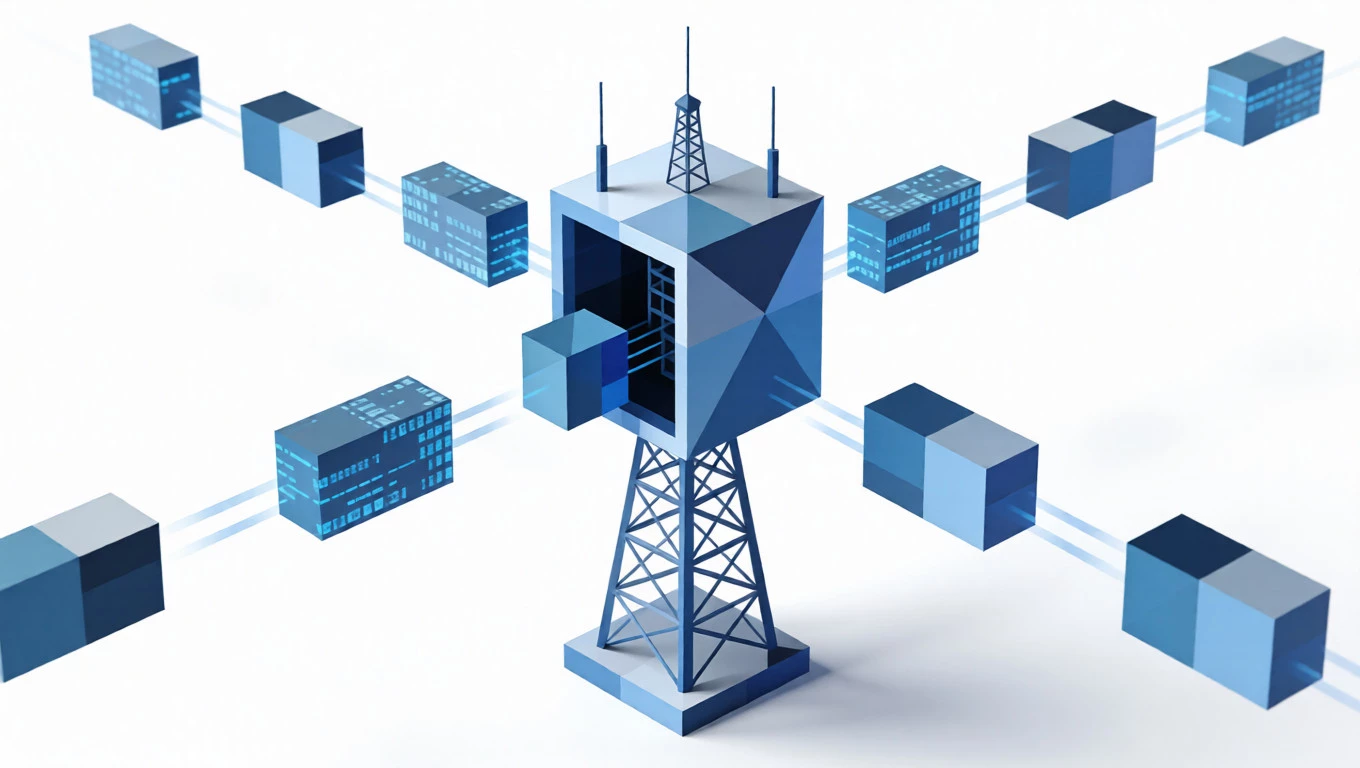
- Strategy: Configure your requests to use a rotating proxy pool. This ensures that every HTTP request utilizes a different exit node.
- Outcome: Instead of one IP sending 10,000 requests, your operation looks like 10,000 distinct users sending one request each. This completely neutralizes volume-based triggers.
Part 3: Header Management and Consistency
Network infrastructure handles the IP layer, but your HTTP headers must also be optimized to avoid the “Your IP has been temporarily blocked” error.
User-Agent Rotation: Sending requests with a generic library header (like python-requests/2.28) is a red flag. Ensure your scraper rotates valid User-Agent strings that match standard browsers (Chrome, Firefox) on every request.
Handling Cookies: If you are scraping public data, avoid maintaining session cookies across IP rotations.
- The Conflict: If you rotate your IP but keep the same session cookie, the server sees the same “user” jumping across the globe instantly. This logical inconsistency is a common trigger for blocks.
For a deeper understanding of standard header structures, reviewing the MDN Web Docs on HTTP Headers provides the necessary technical baseline for mimicking browser behavior and avoiding the temporary IP block filters.
Part 4: Optimizing Concurrency
A common mistake is setting the concurrency (number of simultaneous threads) too high.
Respecting the Server: Even with rotating IPs, hammering a server can lead to subnet bans.
- Best Practice: Implement “Retry Logic” with exponential backoff. If you encounter a 429 error or the “Your IP has been temporarily blocked” message, your script should pause and wait before retrying with a fresh proxy node.
- Cost Management: Efficient scraping isn’t just about speed; it’s about cost. Using flexible pricing options allows you to scale your concurrency up or down based on project needs without overspending on unused bandwidth.
FAQ: Resolving Scraping Errors
Q: How do I immediately fix the “Your IP has been temporarily blocked” error?
A: Since the block is tied to your specific IP address, the fastest technical solution is to rotate to a fresh IP. By updating your proxy session ID or making a new request through a rotating pool, you present a clean identity to the server, bypassing the cooldown timer associated with the blocked IP.
Q: Why does the “temporarily blocked” message appear even with a proxy?
A: This usually indicates an infrastructure leak. You may be using a transparent proxy that reveals your real IP, or a Datacenter proxy that is already blacklisted. Switching to an anonymous Residential Proxy ensures your origin is hidden and your connection quality remains high.
Q: Can rate limiting be avoided without slowing down?
A: Yes, by distributing the load. Instead of slowing down a single connection, you can increase throughput by parallelizing requests across thousands of unique IPs. This architecture allows for high-speed data collection while keeping each individual IP below the threshold that triggers a temporary IP block.
Ready to scale your data collection? Stop managing bans and start gathering insights. You can get your access credentials today to integrate robust residential nodes into your scraping pipeline.