

In the intricate ecosystem of digital connectivity, proxy servers have emerged as the “digital camouflage” of the internet.Just as animals blend into their environments to survive, proxies allow users to blend into the vast ocean of web traffic, masking their origins and protecting their digital footprints.
While basic or “plain” proxies operate on fundamental HTTP/SOCKS protocols to reroute traffic, the technology has evolved significantly by 2026. Today, understanding the mechanics behind these tools is crucial for anyone looking to secure their data, conduct market research, or access global information without restrictions.
This guide explores the scientific principles of proxy technology, the limitations of basic proxies, and how upgrading to ISP Residential Proxies (like those offered by IPHalo) can elevate your online experience.
The Science Behind the Proxy: How It Actually Works
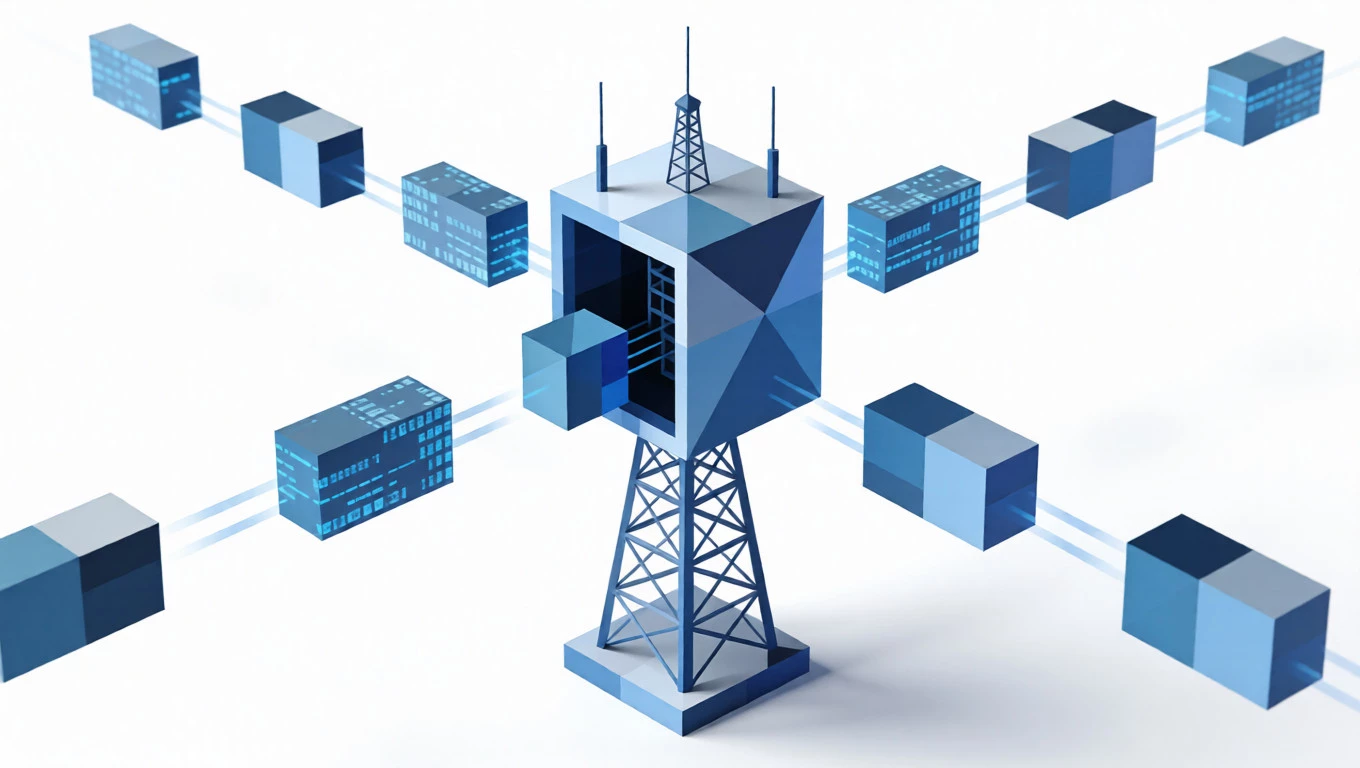
From a computer science perspective, a proxy server leverages the principles of Packet Encapsulation and Network Address Translation (NAT) within the TCP/IP protocol stack.
- The Interception: When you send a request (e.g., clicking a link), the proxy server intercepts the data packet before it leaves your network.
- Header Rewriting: The proxy modifies the packet header. It replaces your “Source IP” with its own IP address.
- Forwarding: The modified packet is sent to the destination server. To the destination, the request appears to originate from the proxy, not you.
- The Return Trip: The response follows the reverse path. The proxy receives the data and forwards it back to you.
Why does this matter? Scientifically, this increases Network Entropy. By introducing variability in data streams, proxies make it difficult for firewalls and tracking algorithms to profile a user based on a single, static IP address.
HTTP vs. SOCKS5: Choosing Your Protocol
“Plain”or basic proxies usually support two main protocols. Understanding the difference is key to optimizing performance:
- HTTP Proxies: Designed specifically for web traffic (Hypertext Transfer Protocol). They are lightweight and efficient for browsing websites and scraping basic HTML data. However, they cannot handle non-web traffic.
- SOCKS5 Proxies: The advanced standard. SOCKS5 operates at a lower level (Layer 5 of the OSI model) and can handle any type of traffic, including TCP and UDP. This makes them ideal for streaming, gaming, and live calls where low latency is critical.
The Limitation of “Plain” Proxies in 2026
While free or basic data center proxies are cost-effective, they have a major flaw: Detectability.
Websites today use sophisticated “Behavioral Analysis” and “ASN Fingerprinting.”
- The Flaw: Basic proxies often use IP addresses from Data Centers (like AWS or Azure). Most consumer websites know that real humans don’t browse the web from a cloud server.
- The Consequence: This leads to immediate blocks, CAPTCHA loops, or “Access Denied” errors.
The Evolution: ISP Static Residential Proxies
To overcome the detection issues of plain proxies, the industry has shifted toward Residential Proxies.
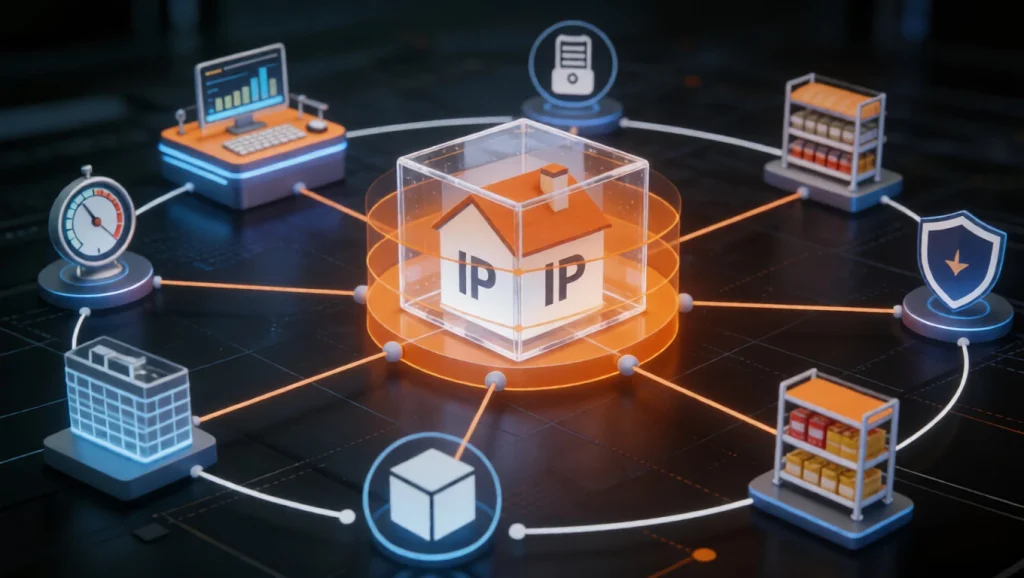
What is the difference?Instead of using a server IP, a Residential Proxy uses an IP address assigned by a real Internet Service Provider (ISP) to a physical home location (e.g., Verizon or AT&T).
Why IPHalo?IPHalo bridges the gap between the speed of a data center and the legitimacy of a residential home.
- High Anonymity: Your traffic looks exactly like a regular user browsing from home.
- Speed & Stability: Unlike peer-to-peer residential networks that can be slow, IPHalo uses ISP Static IPs hosted on robust infrastructure, ensuring <80ms latency.
- Business Grade: Ideal for ad verification, SEO monitoring, and managing cross-border e-commerce shops without triggering fraud alerts.
Practical Applications: Where Proxies Make a Difference
- Market Research & Price MonitoringBusinesses use proxies to view pricing on competitor websites in different countries. By simulating a local user, they get accurate, localized data without being blocked.
- Network Security TestingIT professionals use proxies to simulate attacks or traffic from various locations to test their own firewalls and security configurations.
- Privacy & AccessFor individuals, proxies provide a layer of separation between their personal device and the public web, preventing ISPs and ad trackers from building a profile of their browsing habits.
How to Set Up a Secure Proxy (Step-by-Step)
Setting up a proxy is no longer a task just for hackers. Here is how to do it in minutes:
Step 1: Obtain Premium Credentials Do not use free proxy lists found online; they are often honey-pots for hackers. Register with a reputable provider like IPHalo and generate your Proxy IP, Port, Username, and Password.
Step 2: Browser Configuration (Chrome/Edge)
- Go to Settings > System > Open your computer’s proxy settings.
- Toggle “Use a proxy server” to ON.
- Enter the IP and Port provided by IPHalo.
- Click Save. (You will be prompted for username/password upon visiting a site).
Step 3: Application Integration (Proxifier/SocksDroid) For routing specific apps (like games or telegram) without affecting the whole system, use a “Proxy Client” tool. simply input the SOCKS5 credentials, and the tool will “proxify” the specific application.
Ethical and Practical Considerations
Legal Disclaimer: While proxies provide anonymity, they must be used responsibly.
- Respect Terms of Service: When scraping data, ensure you are compliant with the target site’s
robots.txtand Terms of Service. - Legitimate Use: Proxies should be used for privacy protection, research, and network optimization. We do not endorse using proxies for illegal activities or copyright infringement.
Final Thoughts
“Plain” proxies are the entry point to network privacy, but in the AI-driven web of 2026, you need smarter tools.
Whether you are a developer testing global apps or a business expanding into new markets, the quality of your IP determines your success. Don’t let your connection be the bottleneck.
Upgrade your infrastructure with IPHalo’s ISP Static Residential Proxies. Experience the perfect blend of residential authenticity and enterprise speed, and navigate the digital world without boundaries.