

If you browse online forums searching for an Opinion Edge Review, you will see a divided world.
On one side, you have satisfied users sharing screenshots of their PayPal payouts, praising the platform for its clean interface and fair rewards. On the other side, you have a legion of frustrated participants claiming they were disqualified instantly or banned for “no reason.”
Here is the uncomfortable truth that few people talk about: There is always a reason.
Opinion Edge is not a charity; it is a premium data aggregator. Their business model relies on selling high-quality human insights to global brands. To protect the integrity of this data, they use military-grade filtration systems to block bots and low-quality traffic.
If you are getting disqualified, it is likely because your network connection—not your personality or your answers—triggered a security flag.
This comprehensive guide explains the hidden mechanics of “Trust Scores,” the difference between “Commercial” and “Residential” internet, and why professional researchers are moving away from VPNs to Residential Infrastructure.
Part 1: The Shift to “Data Integrity”
To understand why platforms like Opinion Edge are so strict today, we must look at the evolution of the industry.
In the early days of the internet, any connection would work. You could log in from a coffee shop, a university library, or a basic proxy, and the platform would accept your participation.
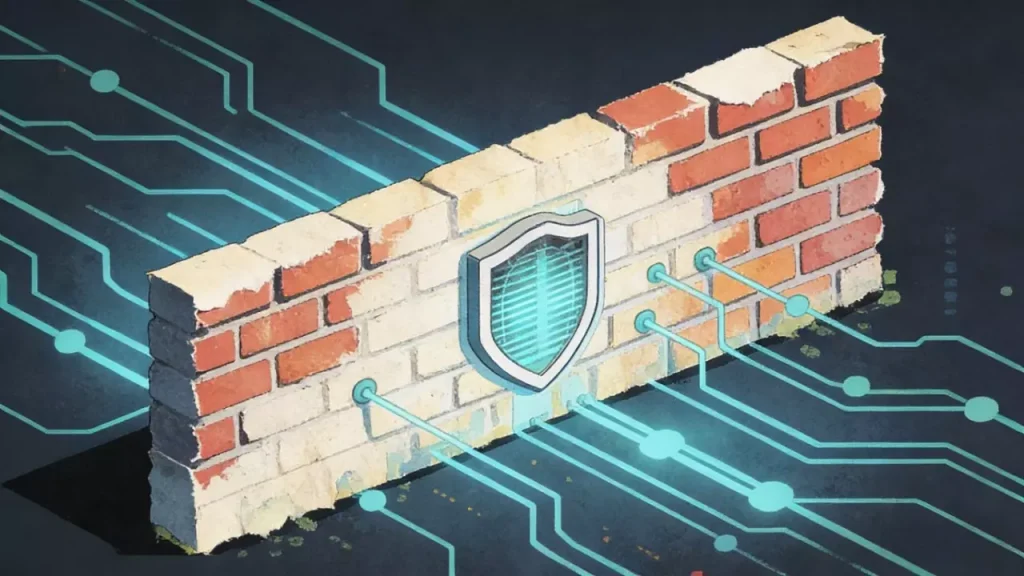
But in 2025, the game has changed. With the rise of AI bots and automated scripts, survey platforms have upgraded their defenses. They now prioritize a metric called “Data Integrity.”
Before you even see the first question of a survey, Opinion Edge runs a background scan on your connection. It checks:
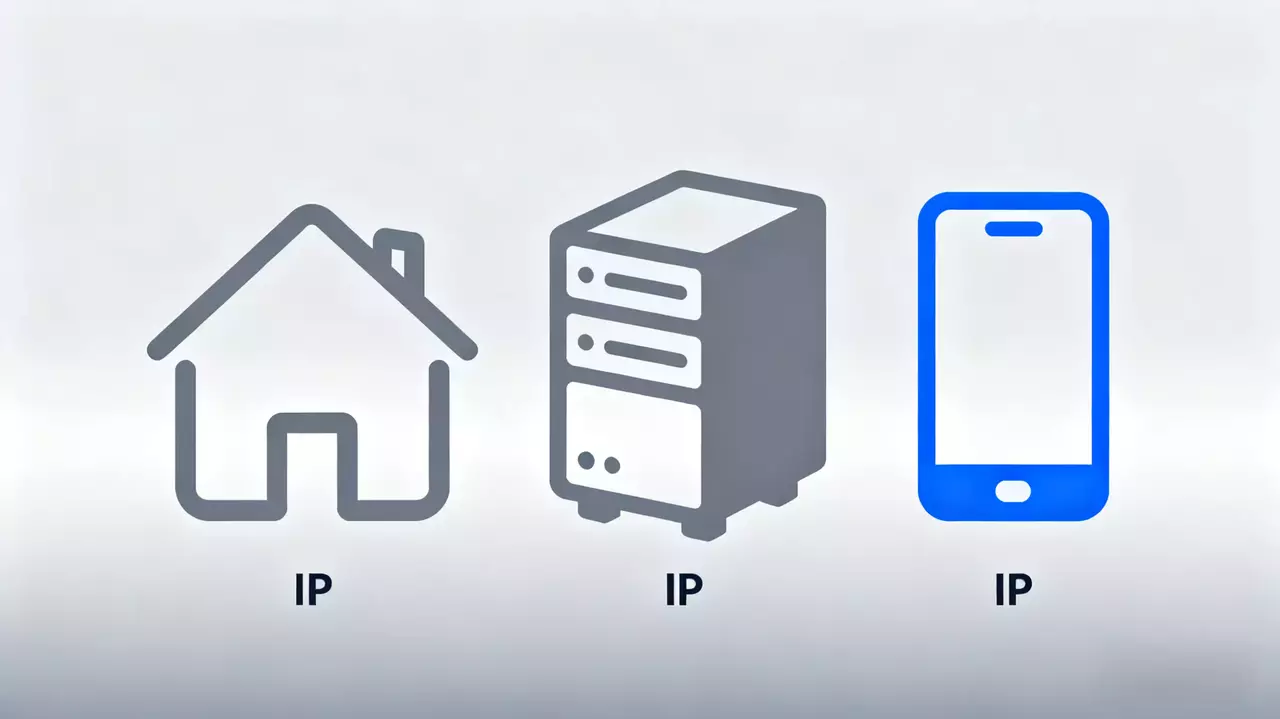
- IP Type: Is this a home connection or a server?
- IP History: Has this IP been used for fraud before?
- Consistency: Does the IP location match the user’s profile address?
If your internet connection sends signals that look “automated” or “commercial,” the platform filters it out. This isn’t a ban in the traditional sense; it is a quality control filter.
Part 2: The “Digital ID” of Your Connection (The Core Problem)
Think of your IP address as your Digital ID Card. When you visit Opinion Edge, you are showing this ID at the door. The security guard (the algorithm) looks at the address on your ID to decide if you are a real resident or a suspicious visitor.
1. The “Warehouse District” ID (Data Centers)
Most beginners try to protect their privacy or change their location using a standard VPN.
- The Scenario: You turn on a VPN to appear as if you are in New York. Your IP address now points to a server farm owned by Amazon, Google, or a VPN provider.
- The Metaphor: Imagine trying to prove you are a local homeowner, but the address on your ID says “Industrial Warehouse District, Building 5.”
- The Result: The security guard knows that real families don’t live in industrial warehouses. Bots and scripts live there. So, you are denied entry (disqualified) instantly.
2. The “Residential Suburb” ID (ISP Network)
This is the gold standard for access. These IPs are issued by a verified ISP (Internet Service Provider) to a physical location—actual houses and apartments.
- The Metaphor: Your ID shows a calm, residential street address. It looks exactly like the ID of a normal family member living in the suburbs.
- The Result: The system recognizes you as a genuine user. Your “Trust Score” is high, and you are granted access to surveys.
Part 3: The “Crowded Bus” Problem (Shared IPs)
Even if you aren’t using a VPN, you might still get flagged if you are using a “Shared Network.” This explains why legitimate users on public Wi-Fi often get banned.
Imagine a public bus. If just one person on that bus refuses to pay the fare or causes trouble, the driver might kick everyone off.
- Public Wi-Fi / Free Proxies: These are like crowded buses. You share one public IP address with hundreds of strangers in a coffee shop, dorm, or office.
- The Risk: If just one person on that network acts maliciously (e.g., tries to hack a site or spam a survey), the platform blacklists the entire IP address.
- The Consequence: You become “guilty by association.” You log in with good intentions, but because the “bus” you are riding is blacklisted, you are blocked.
This is why relying on public or free tools is a gamble. You are betting your account safety on the behavior of strangers.
Part 4: 3 Signs Your Connection is “Dirty”
How do you know if your current network setup is hurting your chances on Opinion Edge? Look for these three signs:
- Instant Disqualification: You click “Start Survey” and are rejected in under 2 seconds, before answering any demographic questions. This is almost always a network flag.
- “No Surveys Available”: You have a complete profile, but your dashboard is empty. This often means your “Trust Score” is too low to be trusted with active clients.
- CAPTCHA Loops: If you are asked to solve CAPTCHA puzzles repeatedly (identifying traffic lights or crosswalks), it means the site suspects you are a bot because of your IP reputation.
Part 5: Why Professionals Upgrade Their Infrastructure
For casual users, a standard home Wi-Fi is usually fine—as long as you stay at home.
However, for data analysts, marketing professionals, and researchers who need to manage multiple accounts or verify content in different regions, standard connections have limitations.
If a researcher in London needs to verify a survey targeting New York, they cannot simply “fly” there digitally using a VPN, as it triggers the “Warehouse” filter we discussed above.
This is where Residential Proxies serve as essential infrastructure.
By routing traffic through a legitimate residential network, professionals can view the internet “through the eyes of a local user.”
- True Geo-Location: They can appear as a resident in a specific city or zip code.
- Clean History: They use IPs that haven’t been abused by thousands of other users.
- Session Isolation: They ensure that each research profile has a unique, non-overlapping digital fingerprint.
Part 6: The Role of IPhalo in Global Connectivity
IPhalo operates quietly in the background of this ecosystem. We provide the connectivity layer that professionals rely on to maintain access to strict platforms.
We don’t focus on “hiding”; we focus on authenticity.
- Genuine Network Environment: Our residential network infrastructure allows users to connect via compliant ISP-issued IPs, ensuring that their web sessions are compatible with strict platform standards.
- Stability for Research: Whether testing a website’s performance or participating in global panels, IPhalo ensures that the connection remains stable.
- Universal Compatibility: Our proxies work seamlessly with almost any privacy browser or session management tool. We provide the raw, high-quality connection; you choose the software that fits your workflow.
FAQ: Understanding Network Quality & Access
Q: Is Opinion Edge safe to use?
A: Yes. Opinion Edge is a legitimate platform that pays users for genuine market research data. However, they use strict security protocols to ensure “Data Integrity,” which means your network connection must be high-quality to participate.
Q: Why was I disqualified from a survey instantly?
A: Immediate disqualification often happens when the system detects a mismatch in your “Digital ID.” If you are using a VPN (Data Center IP) or a Public Wi-Fi (Shared IP), the platform views this as a security risk—similar to showing a fake ID—and blocks access to protect the study.
Q: Can I use privacy tools like anti-detect browsers?
A: Yes, many professionals use privacy browsers to manage their sessions. However, a browser is just the “vehicle.” You still need a “clean road” to drive on. Using a privacy browser with a low-quality IP will still lead to bans. It must be paired with a high-trust Residential Proxy for the best results.
Q: What is the difference between a VPN and a Residential Proxy?
A: Think of a VPN as a “Warehouse Address”—it hides your location but looks commercial. A Residential Proxy is like a “Home Address”—it hides your location but looks like a standard family connection, making it much more trusted by survey platforms.
Conclusion
The digital landscape is changing. Platforms like Opinion Edge are raising the bar for network quality to ensure their data remains valuable.
For users and professionals alike, understanding these technical requirements is key. Success in the modern digital economy isn’t just about what you do—it’s about the quality of the connection you use to do it.