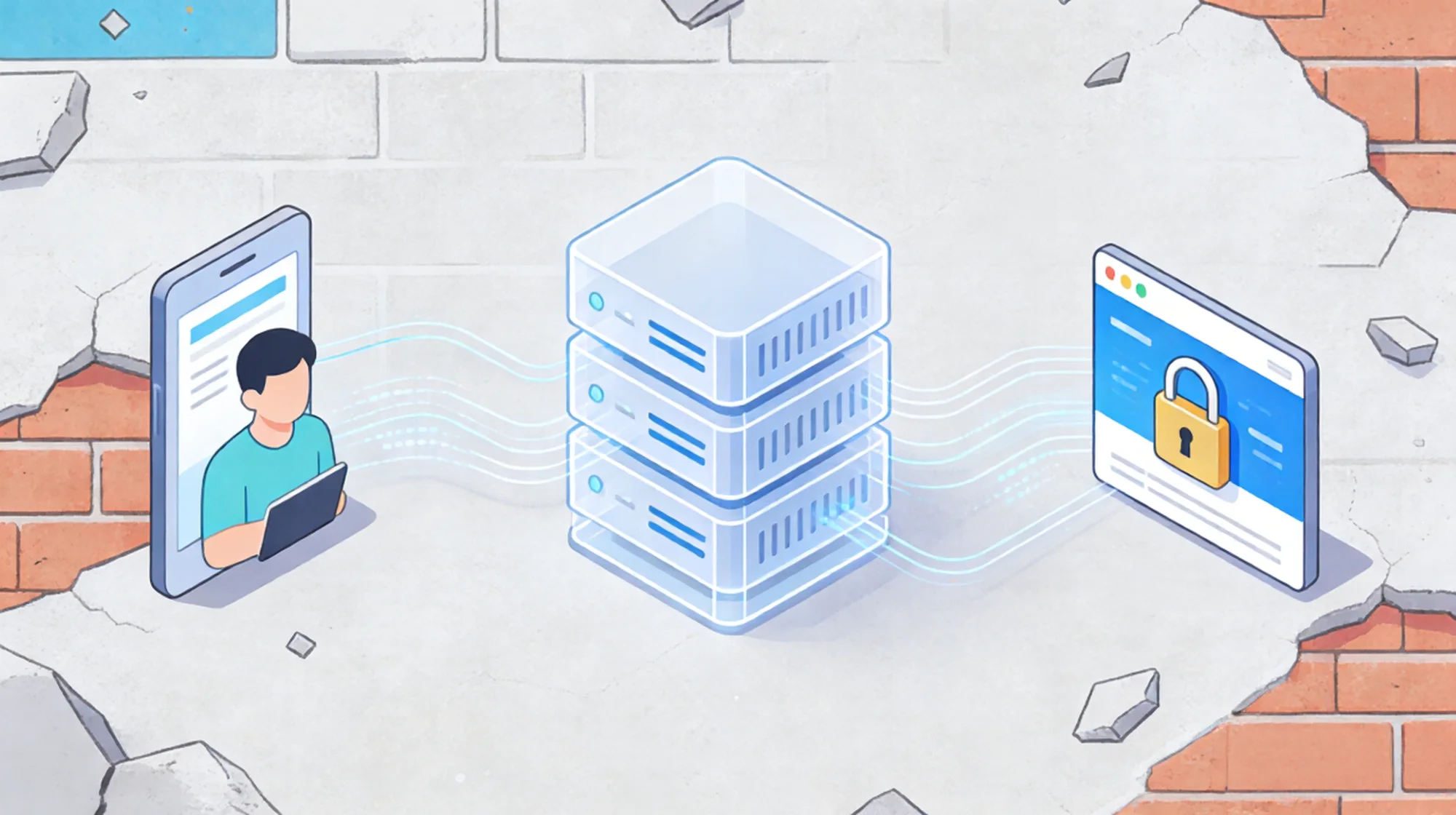


If you are looking for the “best laptop for coding” or “top marketing software,” you typically rely on one metric: the Star Rating. We have been trained to trust that 4.8 stars is better than 4.2 stars.
But in 2025, that trust is eroding.
Mainstream platforms are flooded with generic reviews, incentivized ratings, and algorithm-driven suggestions that prioritize sales volume over product quality. As a result, savvy professionals are leaving mainstream review sections and heading to Specialized Tech Communities.
In these niche forums, real engineers, developers, and experts argue passionately about tools. They don’t give “stars”; they give context.
I decided to run an experiment. Instead of trusting the “Top 10 Bestsellers” list, I wanted to see what the experts actually use. To do this, I built a data pipeline to scrape and analyze unstructured comments from professional communities.
This guide explains how I did it, the technical challenges I faced, and how you can b uild your own insights engine.

The Crisis of Trust in Online Ratings
Why go through the trouble of scraping forums? Because the “Star Rating” system has two fatal flaws:
- Lack of Nuance: A 5-star rating from a beginner means something very different than a 3-star critique from a senior engineer. The number hides the context.
- The “Popularity Loop”: Algorithms push products that already have high ratings, making it impossible for newer, better “Hidden Gems” to be discovered.
To find the truth, we need to stop counting stars and start mining sentiment.
Why “Expert Communities” Are the New Gold Standard
Unlike retail sites where anyone can leave a review, niche technical communities are self-policing. If someone recommends a bad tool in a thread full of experts, they get called out immediately.
This peer-review mechanism creates a dataset of incredibly high quality.
- Honesty: Users have no incentive to lie.
- Depth: Discussions often compare Product A vs. Product B in specific scenarios.
- Longevity: A recommendation that persists for 5 years is a signal of true durability.
However, this data is locked away in messy, text-heavy threads. To extract it, we need Web Scraping.
The Experiment: Building a “Truth Engine”
My goal was simple: identify the “Most Recommended Technical Books” that aren’t necessarily on the bestseller lists.
The Workflow:
- Identify Targets: Select high-traffic threads discussing “Best resources for learning X.”
- Crawl: Download the HTML of these discussion pages.
- Parse: Use Natural Language Processing (NLP) to identify book titles.
- Analyze: Score them based on “Positive Sentiment” (e.g., words like “essential,” “bible,” “game-changer”).
It sounded simple. But as soon as I started the collection process, I hit a wall.
The Technical Barrier: Why You Can’t Just Click “Download”
Community websites are fiercely protective of their user experience. They design their systems to block automated collectors (bots) to prevent server overload.
When I ran my initial Python script to fetch the data, I was blocked within 30 seconds. I encountered:
- IP Throttling: My connection was slowed down to a crawl.
- 429 Errors: The server returned a “Too Many Requests” message.
- CAPTCHAs: I was forced to solve puzzles to prove I wasn’t a robot.
I realized that my script looked suspicious because it was making thousands of requests from a Single IP Address. To the server, this looked like an attack.
The Infrastructure: How to Scrape Without Getting Banned
To collect this public data ethically and successfully, I had to change my infrastructure. I needed to blend in with the crowd.
This is where Residential Proxy Networks became essential.
How It Works
Standard proxies (Datacenter IPs) use IP addresses from server farms. Websites block these easily because they know humans don’t browse from data centers.
Residential Proxies, however, route your traffic through legitimate devices (like home Wi-Fi routers) assigned by real Internet Service Providers (ISPs).
By integrating Iphalo’s residential network, I changed my scraping strategy:
- IP Rotation: Every time my script requested a new page of comments, it automatically switched to a different IP address.
- Geo-Distribution: My traffic appeared to come from London, New York, Tokyo, and Berlin randomly, rather than a single server location.
- Human Mimicry: Because the IPs belonged to real devices, the target website’s security systems identified my scraper as thousands of distinct, normal users.
To the target website, my bot didn’t look like one person making 10,000 requests. It looked like 10,000 different people making one request each. This is the secret to high-volume data mining.
The Results: What “Hidden Gems” Look Like
Once the proxy infrastructure solved the access problem, the data started flowing. The results highlighted a stark contrast between “Sales” and “Respect”.
Instead of the usual bestsellers, the community data consistently pointed to specific “Cult Classics”:
- The “Expert’s Standard”: Designing Data-Intensive Applications
- The Insight: While general lists focus on “Learn Coding in 24 Hours,” this complex book appeared in almost every advanced discussion thread. It is the gold standard for senior engineers, proving that experts value depth over simplicity.
- The “Timeless Classic”: Structure and Interpretation of Computer Programs (SICP)
- The Insight: Written decades ago, this book is rarely pushed by modern algorithms. However, sentiment analysis showed it is still revered as a foundational text, proving that true quality stands the test of time.
This validated the hypothesis: True value is often hidden where algorithms don’t look.
FAQ: Web Scraping & Data Mining
Here are answers to common questions about building your own data pipeline.
Q1: Is scraping public data legal?
Generally, scraping public data (data accessible without a login) is considered legal in many jurisdictions for business intelligence, provided you respect the website’s terms and do not harm their servers. Note: Always consult legal counsel for your specific region.
Q2: Why do I need Residential Proxies instead of a VPN?
A VPN gives you one new IP address, which will eventually get blocked if you scrape heavily. A Residential Proxy Network gives you access to millions of IPs that you can rotate instantly, ensuring continuous access.
Q3: How do I stop my scraper from getting detected?
Use a combination of:
- Rotating Residential IPs (to hide your footprint).
- User-Agent Rotation (to look like different browsers).
- Random Delays (to mimic human reading speed).
Q4: Can this be used for things other than books?
Absolutely. This “Community Mining” strategy is used for:
- Stock Sentiment Analysis (What are traders discussing?)
- Brand Monitoring (What are people really saying about my product?)
- Price Intelligence (Tracking competitor pricing globally).
Conclusion
The internet is no longer just a library; it is a noisy marketplace. To find the signal in the noise, you cannot rely on pre-packaged “Top 10” lists or star ratings. You need to dig deeper.
Whether you are a market researcher, a data scientist, or a business owner, the ability to mine unstructured community data is a superpower in 2025. It allows you to bypass the marketing fluff and see what the market truly thinks.
But remember: Access is everything. You cannot mine what you cannot reach. Ensure your infrastructure is built on reliable, high-trust proxies to keep your insights flowing.
Ready to build your own discovery engine? Check out our flexible proxy data plans to handle any scale of data collection.