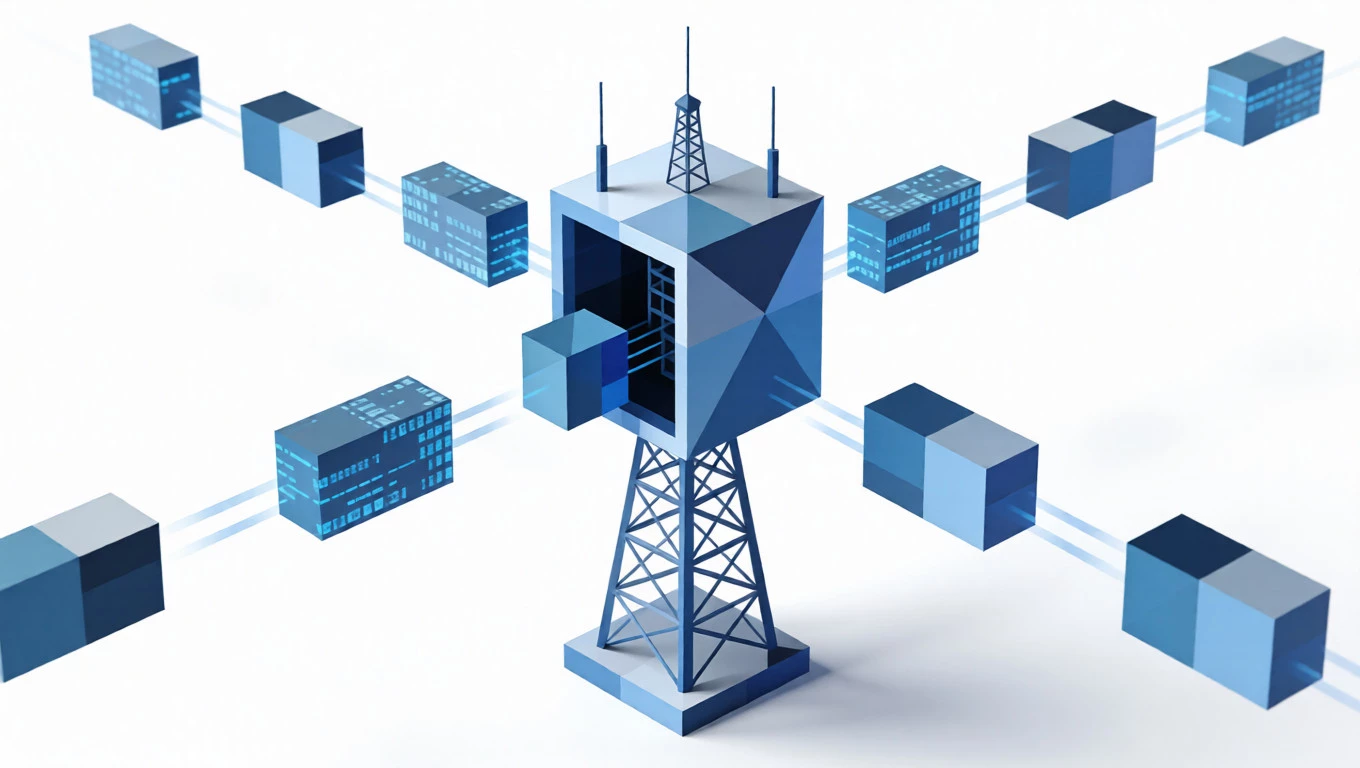


In modern internet applications, high-concurrency API calls and large-scale data scraping have become a routine task for developers and businesses. To ensure speed and stability, network proxy from data centers are increasingly used as a preferred solution. This article provides a clear, educational overview of how data center proxy work, their advantages, and practical applications, while reminding users to comply with usage guidelines.

Core Advantages of Data Center Proxy
High-Speed Proxy IPs and Stable Exit IPs
Data center proxy provide high-speed proxy IPs that significantly improve access efficiency. During data scraping or API calls, a stable IP address can reduce request failures and maintain continuity. Compared with typical residential connections, data center proxy IPs are easier to obtain and more abundant, making them suitable for high-frequency access tasks, while still requiring compliance with platform rules and local regulations.
Overseas Dedicated Network and Global Access Optimization
Using an overseas dedicated network, data center proxy can optimize cross-region access and enhance international operations. For example, businesses analyzing data on independent platforms or monitoring global e-commerce sites benefit from more stable connections without engaging in actions that bypass regional access restrictions.
Multi-Browser Setup and Exclusive Dynamic IPs
When managing multiple accounts or performing large-scale data scraping, multi-browser setups combined with exclusive dynamic IPs help reduce the risk of blocks. Each browser instance uses a separate IP, which minimizes detection from target websites and maintains smooth operation.
Strategies for Using Proxy IPs in High-Concurrency Environments
Static Residential IPs and Fixed IPs
Static residential IPs and fixed IPs offer long-term stability, suitable for tasks that require continuous access to certain websites. For instance, during sustained API calls or long-term competitor monitoring, a fixed IP maintains account stability and reduces detection risk.
Dynamic IP Proxy and Rotation Methods
Dynamic IP proxy are better suited for short-term high-frequency access or large-scale scraping. Intelligent IP rotation can distribute requests across multiple IPs, lowering the chance of blocks. Using a dynamic IP rotation tool improves efficiency while remaining within compliant usage.
Real-World Cases: Cross-Border E-Commerce and Data Scraping
In cross-border e-commerce, businesses collecting product data from overseas platforms often rely on high-speed proxy IPs and dedicated networks. Properly combining static IPs and dynamic IPs ensures both access stability and scraping efficiency, while maintaining safe usage boundaries.
FAQ
Q: What is the difference between data center proxy and residential proxy IPs? A: Data center proxy come from server farms and offer fast, abundant IPs, but are more easily identified as proxy. Residential proxy originate from real home connections and appear more like ordinary user traffic.
Q: How to choose the right exit IP for API calls? A: Using a stable static IP or high-speed proxy IP ensures continuous requests. For large-scale scraping, combining dynamic IPs with rotation strategies reduces the risk of temporary blocks such as “your IP has been temporarily blocked” or error 1015.
Q: What should I consider when using multiple browsers with proxy? A: Ensure each browser instance uses a separate IP address. Avoid sending high-frequency requests from the same IP to reduce the chance of proxy errors or session issues like Facebook session expired.