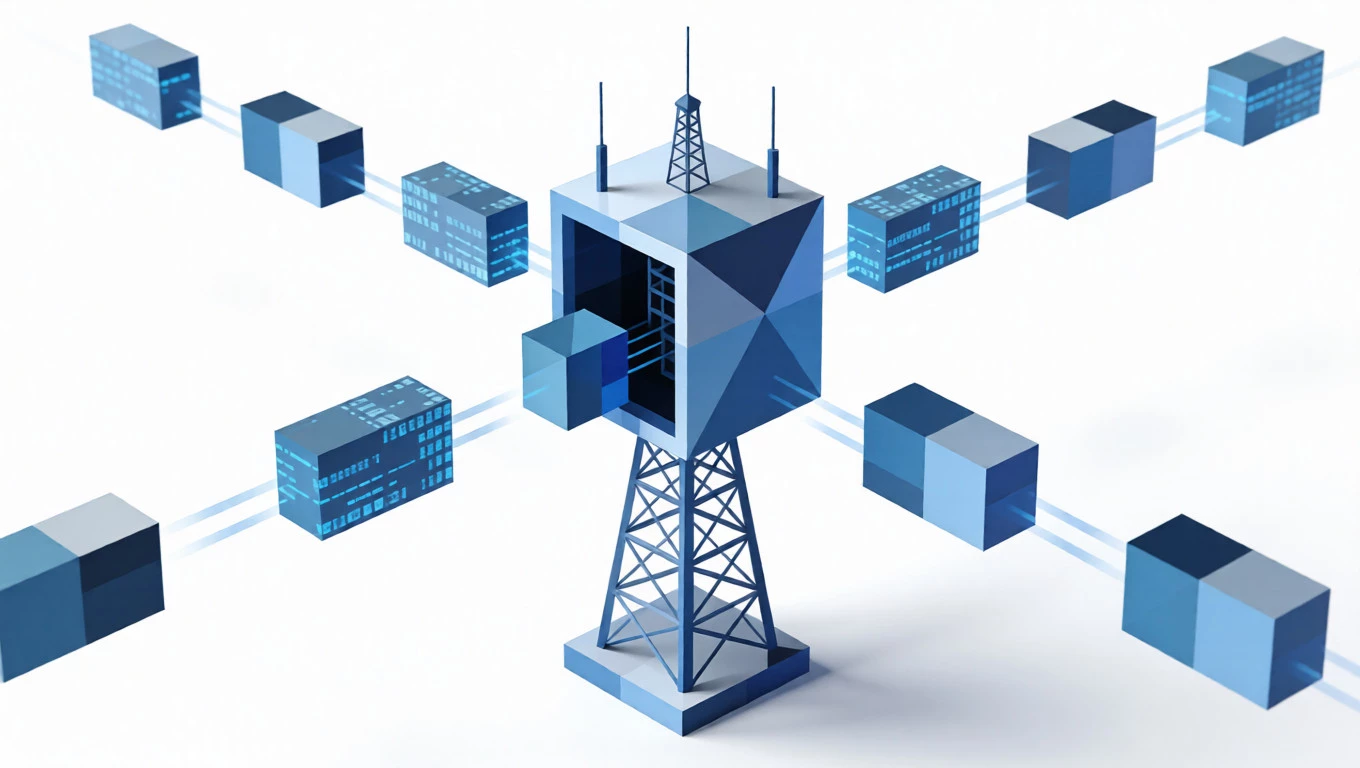


In 2025, the rapid growth of AI agents has made “compliant data fuel” a critical asset for enterprise digital operations. Companies often face IP blocking, access restrictions, or network instability. In these situations, dynamic residential proxy IPs provide an effective solution, offering high anonymity, simulated user environment characteristics, and intelligent IP management, allowing AI agents to access data safely and maintain operational scale.

Definition and Technical Principles of Dynamic Residential Proxies
A dynamic residential proxy routes traffic through real residential IP addresses, allowing users to switch exit IPs dynamically. Its value lies not only in using real residential networks but also in **simulating genuine user environment features—such as typical browsing behaviors and cookie sessions—**so that AI agent traffic blends seamlessly with normal user activity, reducing the risk of detection.
IP Rotation Mechanisms
A key feature of these proxies is their flexible IP rotation mechanism, which primarily operates in two modes:
- Per-request rotation Each request uses a different IP, suitable for large-scale data scraping and multi-account management. This disperses traffic effectively and lowers the risk of individual IP blocks.
- Sticky sessions Maintains the same IP for a set period, ideal for multi-step workflows that require login persistence, such as online orders or account operations.
Network Performance
Residential networks naturally fluctuate, but high-quality providers leverage load balancing and intelligent routing to deliver relatively stable, low-latency connections. Industry data shows that top residential proxies achieve success rates of over 85% on e-commerce platforms, with average response times often under one second.
Application Value and Relevance to AI Agents
- Reducing blocks and behavior detection risks By dispersing requests and mimicking human interaction intervals, AI agents can effectively bypass advanced anti-bot systems that rely on traffic patterns and behavior analysis.
- Ensuring task continuity Even if some IPs are flagged or blocked, the continuity and success rate of large-scale scraping tasks can be maintained.
- Improving data completeness and reliability High-anonymity residential IPs combined with intelligent rotation ensure high success rates and minimize data loss from individual IP blocks.
Dynamic residential proxies are widely used in cross-border e-commerce, international trading platforms, social media management, and multi-account operations, allowing AI agents to optimize workflows while maintaining compliance.
Frequently Asked Questions (FAQ)
Q1: What’s the difference between dynamic residential proxies and HTTP proxyIPs?
A1: HTTP proxy IPs are usually single, fixed IPs suitable for simple requests; dynamic residential proxies rotate frequently, use real residential IPs, and are better suited for large-scale data collection and multi-step tasks.
Q2: Which scenarios are ideal for dynamic residential proxies?
A2: Suitable for cross-border e-commerce, multi-account management, trading data collection, social media operations, and other tasks that require traffic dispersion or session persistence.
Q3: How can I ensure stability for tasks using dynamic residential proxies?
A3: By choosing high-quality IP pools, properly configuring rotation strategies, and monitoring IP health, the continuity and success rate of large-scale scraping tasks can be maintained.
Q4: Are dynamic residential proxies automatically compliant?
A4: Compliance depends on whether your activities follow the target website’s terms, robots.txt protocols, and applicable regulations. Using a proxy alone does not guarantee legality.